Keeping Water Systems Strong: The Lasting Value of Proactive Infrastructure Care
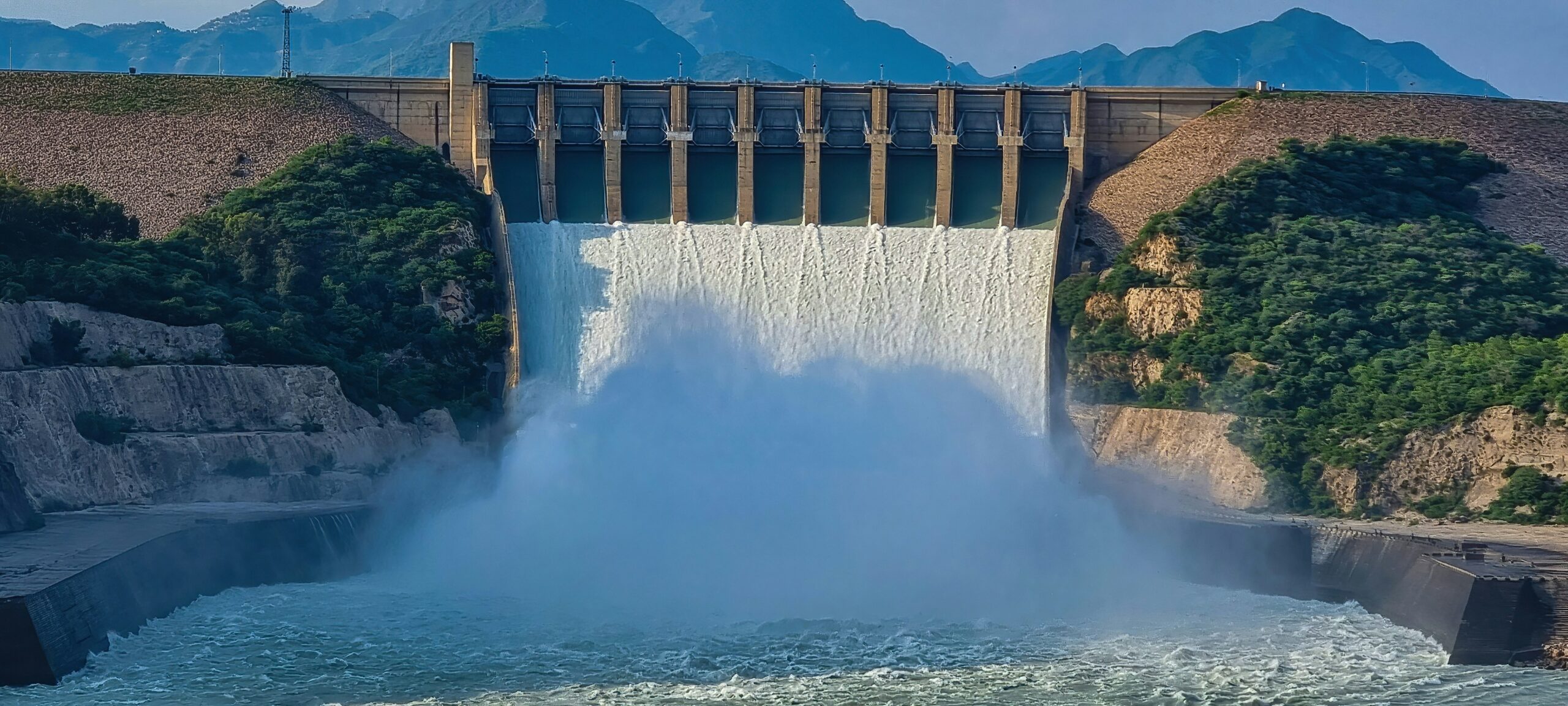
Communities depend on water infrastructure every hour of the day, yet most people rarely notice the system until something fails. Pipes, treatment plants, pumps, reservoirs, hydrants, and valves work together to deliver safe water and remove wastewater. Therefore, utilities must maintain each component responsibly to prevent disruptions. Consistent maintenance allows residents, hospitals, schools, and businesses to receive dependable service without unexpected interruptions.
Moreover, water infrastructure gradually deteriorates due to age, soil movement, corrosion, pressure fluctuations, and regular use. Utilities that wait for visible failures often face larger and more expensive problems. Consequently, maintenance teams should inspect equipment, analyze operating data, and repair weaknesses before they affect customers. Proactive care creates a more stable system and reduces the risk of widespread service emergencies.
Preventing Breaks and Service Interruptions
Aging pipes can crack or collapse without much warning, especially when temperature changes or construction activity place additional stress on them. However, regular condition assessments can reveal corrosion, pressure problems, and recurring leaks. Therefore, utilities can repair or replace vulnerable sections before a major break shuts down streets or interrupts water delivery.
In addition, planned repairs allow utility managers to coordinate crews, equipment, road closures, and customer notifications. As a result, employees can complete the work under safer and more controlled conditions. Although planned maintenance may still briefly inconvenience customers, it usually causes less disruption than an emergency response. Clear scheduling also allows businesses and public facilities to prepare for temporary service changes.
Safeguarding Drinking Water Quality
Responsible maintenance protects public health by preventing contaminants from entering the water supply. When broken pipes lose pressure, surrounding soil or polluted water may move toward the damaged line. Likewise, poorly maintained storage tanks can develop openings that allow insects, debris, or rainwater to enter. Therefore, utilities must repair structural damage and preserve proper system pressure.
Furthermore, treatment equipment requires regular inspection, calibration, cleaning, and replacement. Pumps, filters, chemical feeders, and monitoring devices must operate correctly to provide consistent treatment. Consequently, trained employees should verify performance and address unusual readings immediately. By caring for both treatment facilities and distribution networks, utilities can protect water quality from the source to the customer’s faucet.
Conserving Water Through Leak Control
Leaking infrastructure wastes treated water before it reaches the people who need it. Some leaks create visible flooding, while others remain hidden beneath roads or open land for long periods. Therefore, utilities should use acoustic devices, pressure sensors, meter data, and field inspections to locate losses throughout the network.
Moreover, repairing leaks saves the energy, chemicals, and labor used to treat and transport water. When a utility pumps water that escapes underground, it pays operating costs without receiving revenue from the customer. Consequently, leak control improves financial performance while protecting freshwater supplies. This benefit becomes especially important during droughts and periods of high demand.
Reducing Long-Term Operating Costs
Preventive maintenance requires regular investment, but it often costs less than emergency repairs. A failed main may require overtime labor, urgent equipment rentals, traffic control, pavement replacement, and property restoration. In contrast, planned work gives utilities time to compare prices, purchase materials efficiently, and properly prepare crews. Therefore, responsible maintenance helps organizations control expenses.
Additionally, well-maintained equipment usually operates more efficiently and lasts longer. Pumps with worn parts may consume extra electricity, while blocked lines can increase pressure requirements. As a result, timely servicing lowers energy use and reduces unnecessary strain on system components. Utilities can then direct savings toward future improvements instead of repeatedly paying for avoidable breakdowns.
Extending the Service Life of Assets
Water infrastructure represents a major public investment, so utilities should protect each asset for as long as practical. Routine cleaning, lubrication, testing, coating, and adjustment can slow deterioration and improve performance. Therefore, maintenance teams should follow schedules that reflect equipment age, operating conditions, and manufacturer recommendations.
However, responsible care does not mean keeping every asset in service indefinitely. Detailed maintenance records can show when repairs become too frequent or expensive. Consequently, utility leaders can replace failing equipment at the right time rather than acting too early or waiting too long. This balanced approach maximizes asset value and supports reliable capital planning.
Improving Emergency Readiness
Water systems must continue operating during power outages, storms, floods, fires, and other emergencies. Therefore, utilities should regularly test backup generators, emergency pumps, storage capacity, and communication equipment. A device that sits unused for long periods may fail when employees finally need it, so scheduled testing remains essential.
Similarly, teams should inspect hydrants, isolation valves, and emergency connections. Working valves allow crews to shut down a small section instead of interrupting service across a large area. Meanwhile, reliable hydrants support firefighters during critical events. Consequently, maintenance strengthens emergency response and helps communities recover more quickly after disasters.
Protecting Roads and Private Property
Underground water failures can damage more than the utility system. Escaping water may erode soil beneath streets, weaken foundations, flood basements, or create dangerous sinkholes. Therefore, utilities that replace deteriorated pipes early can prevent extensive damage to public and private property.
Moreover, emergency excavation often disrupts traffic and local commerce. Crews may need to close busy roads without advance notice, while nearby businesses may lose customers or deliveries. In contrast, planned maintenance allows officials to arrange detours and communicate project details early. As a result, communities experience fewer surprises and lower restoration costs.
Supporting Accurate Infrastructure Planning
Maintenance work produces valuable information about the condition of a water network. Crews can record pipe materials, failure locations, corrosion levels, repair costs, and equipment performance. Therefore, utility managers should maintain accurate digital records and use them when setting replacement priorities.
Furthermore, historical data can reveal patterns that are not obvious from a single repair. Repeated breaks in a single neighborhood may indicate widespread pipe deterioration, while recurring pump problems may indicate that demand exceeds capacity. Consequently, utilities can base capital projects on evidence instead of assumptions. Better planning directs limited funding toward the areas with the greatest risk.
Strengthening Regulatory Compliance
Water providers must meet strict requirements for treatment, pressure, storage, testing, and system operation. Equipment failures or neglected facilities can create conditions that violate these rules. Therefore, utilities need structured maintenance programs that support safe operations and demonstrate consistent oversight.
In addition, complete records help organizations prepare for inspections and audits. Documentation can show when employees tested equipment, repaired problems, and followed approved procedures. As a result, utilities reduce legal and financial risks while improving accountability. Accurate records also help new staff members understand earlier decisions and unfinished maintenance needs.
Developing a Capable Maintenance Workforce
Technology cannot replace the judgment and experience of skilled utility employees. Workers must recognize unusual sounds, pressure changes, corrosion, leaks, and mechanical wear before these warning signs become failures. Therefore, utilities should invest in safety training, technical education, and practical field experience.
Moreover, many experienced water professionals will eventually retire, taking valuable system knowledge with them. Utilities should document that knowledge and create mentoring opportunities for newer employees. Consequently, teams can preserve essential information about older pipes, unusual connections, and past repairs. A prepared workforce supports both daily maintenance and long-term system resilience.
Using Modern Monitoring Technology
Digital tools can help utilities identify problems more quickly. Sensors can track pressure, flow, vibration, water levels, and equipment temperature throughout the system. When readings move outside normal ranges, automated alerts can notify employees. Therefore, teams can investigate developing issues before customers report them.
Additionally, geographic information systems and asset-management software can connect maps, inspection records, work orders, and repair histories. Managers can then see which components require immediate attention and which projects can wait. As a result, technology improves scheduling and reduces unnecessary field visits. However, utilities must maintain the sensors and software themselves to keep the information accurate.
Building Public Trust Through Communication
Customers may resist maintenance projects when they see only road closures, construction noise, or higher utility rates. Therefore, water providers should explain why each project matters and how it will improve reliability. Clear communication helps residents understand that temporary inconvenience can prevent larger future disruptions.
Furthermore, utilities should notify customers promptly when maintenance affects water pressure, traffic, or service availability. Honest updates demonstrate respect and reduce confusion. Consequently, communities are more likely to support infrastructure investments when leaders share project goals, progress, and expected benefits. Transparency turns maintenance from an invisible expense into a visible public service.
Creating Resilient Water Systems for the Future
Responsible infrastructure maintenance protects water quality, limits waste, lowers costs, and reduces service interruptions. It also helps utilities extend asset life and prepare for severe weather, population growth, and changing demand. Therefore, maintenance should remain a central part of every water provider’s long-term strategy.
Ultimately, strong systems require consistent action rather than occasional emergency spending. Utilities must combine inspections, preventive repairs, skilled workers, reliable records, modern technology, and public communication. Consequently, communities that invest in responsible maintenance can protect public health and preserve essential water services for future generations.
Additional Information
- Blog
- Steve Weymer