Water Efficient Gardening and Landscaping for a Greener, Smarter Yard
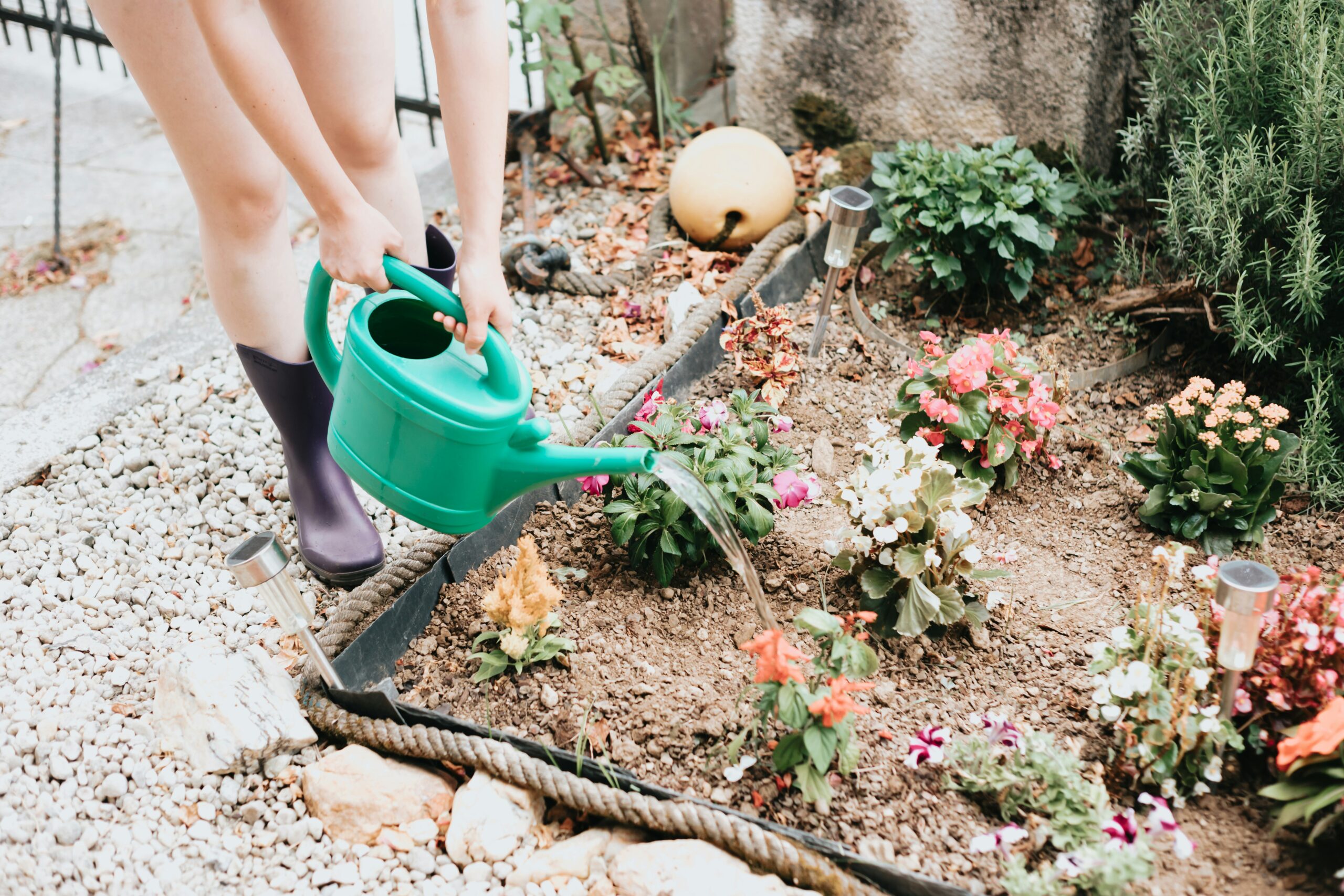
Gardening and landscaping for water efficiency can help you build a yard that looks good and uses less water. Many homeowners want green lawns, bright flowers, and healthy outdoor spaces. Still, water can be wasted fast when a yard is not planned well. Poor plant choices, bad soil, and weak watering habits can raise water use and cost more over time.
Water efficient gardening and landscaping is not about giving up beauty. It is about using smart choices to make every drop count. A well-planned yard can stay healthy during dry days, support local wildlife, and need less daily care. It can also make your home feel more welcoming.
Why Water Efficient Gardening Matters
Water is a limited resource in many places. Hotter weather, dry seasons, and growing cities can put more pressure on local water supplies. A yard that needs too much water can become hard to maintain. It may also suffer when watering rules become strict.
Water efficient gardening helps reduce this pressure. It allows homeowners to enjoy outdoor spaces without using more water than needed. A smart landscape can also reduce runoff. Runoff happens when water moves across hard or packed ground instead of soaking into the soil. This can carry dirt, fertilizer, and chemicals into drains, streams, or nearby water areas.
A water wise yard also saves time. When plants fit the local climate, they often need less care. They can handle normal weather changes better. This means less stress for you and better results for your garden.
Start With the Right Yard Plan
Good water efficient landscaping begins with a clear plan. Before planting, look at your yard closely. Notice where the sun is strongest. Check which areas stay shady. Watch where rainwater collects or runs off. These simple details can help you choose the best plants and layout.
Group plants by water needs. This is one of the easiest ways to save water. Plants that need more water should stay together. Plants that need less water should be placed in a separate area. This helps you water each part of the yard the right amount.
Also think about how you use your outdoor space. You may need a small lawn for children, pets, or sitting outside. You may also want garden beds, paths, or a patio. A clear design can help you keep useful areas while cutting waste.
Choose Plants That Need Less Water
Plant choice is a major part of gardening and landscaping for water efficiency. Some plants need water often to stay healthy. Others can grow well with less. Native plants are often a strong choice because they are used to the local climate and soil.
Drought tolerant plants can also help. These plants can handle dry periods better than thirsty plants. They may have deep roots, thick leaves, or other natural features that help them store water. Many flowers, shrubs, grasses, and ground covers can be both beautiful and water wise.
This does not mean every plant must look dry or plain. Many water efficient plants bring color, texture, and shape to a yard. You can mix flowers, low shrubs, tall grasses, and small trees to create a full look. The goal is to choose plants that match your area and your yard’s conditions.
Build Healthy Soil First
Healthy soil holds water better. This is why soil care is so important in water efficient gardening. Poor soil may let water run off too fast. It may also dry out quickly. When soil is healthy, plant roots can grow stronger and reach water more easily.
Adding compost can improve soil. Compost helps sandy soil hold more moisture. It also helps clay soil drain better. Better soil structure means water can move through the ground in a useful way.
Mulch is another simple tool. A layer of mulch around plants helps slow evaporation. It keeps soil cooler and reduces weeds. Weeds compete with your plants for water, so fewer weeds can mean less waste. Wood chips, bark, straw, leaves, and other natural mulches can work well in many garden spaces.
Water at the Right Time
Watering habits can make a big difference. Many yards lose water because watering happens at the wrong time. Watering in the middle of a hot day can lead to fast evaporation. More water disappears before plants can use it.
Early morning is often a better time to water. The air is usually cooler, and the wind is often lighter. This gives water more time to soak into the soil. Evening watering can work in some places, but wet leaves overnight may lead to plant problems in humid areas.
Water deeply but less often when possible. Deep watering helps roots grow down into the soil. Shallow watering can keep roots near the surface. These shallow roots dry out faster and may need more frequent watering.
Use Smarter Irrigation Methods
A good irrigation system can support water efficient landscaping. Sprinklers can be useful for lawns, but they may waste water if they spray sidewalks, driveways, or streets. Check sprinkler heads often. Make sure water lands only where it is needed.
Drip irrigation is a smart option for garden beds, shrubs, and trees. It sends water close to plant roots. This reduces evaporation and runoff. Soaker hoses can also work well in many planting areas.
Smart timers can help too. Some timers adjust watering based on weather. Others let you set different zones for different plant needs. Even a basic timer can prevent overwatering. The key is to check the system often and adjust it as the season changes.
Rethink the Lawn
A large lawn can use a lot of water. For many homes, a smaller lawn is a better choice. You can keep the parts of the lawn that serve a real purpose and replace unused areas with water wise plants, mulch, gravel paths, or garden beds.
If you want grass, choose a type that fits your climate. Some grasses need less water than others. Mowing height also matters. Taller grass can shade the soil and help roots grow deeper. This can reduce water loss.
You can also create lawn alternatives. Ground covers, native grasses, and low-water planting beds can add beauty without the same water demand. These choices can make the yard feel more natural and easier to care for.
Capture and Use Rainwater
Rainwater can be a helpful resource. A rain barrel can collect water from a roof and store it for later use. This water can be used for garden beds, potted plants, or small landscape areas. Local rules may vary, so homeowners should check what is allowed in their area.
Rain gardens can also help manage water. A rain garden is a planted area that collects runoff from roofs, driveways, or other hard surfaces. It lets water soak into the ground slowly. This can reduce waste and support healthy plants.
Simple changes can help too. Downspouts can be directed toward planted areas instead of hard surfaces. Paths can be made with materials that let water pass through. These ideas help keep rainwater on your property where plants can use it.
Keep the Yard Healthy Over Time
Water efficient gardening and landscaping is not a one-time task. It needs small checks and updates. Walk through your yard often. Look for dry spots, leaks, broken sprinkler heads, weeds, or plants that are not doing well.
Adjust watering as the weather changes. Plants usually need more water during hot, dry periods and less during cool or rainy weeks. Many people overwater because they follow the same schedule all year. A flexible plan works better.
Prune plants when needed, but avoid cutting too much at once. Healthy plants shade the soil and protect their roots. Replace weak plants with better choices if they do not fit the space. Over time, your yard will become easier to manage.
A Beautiful Yard Can Still Save Water
Gardening and landscaping for water efficiency gives you a smarter way to care for your outdoor space. It can lower water use, reduce waste, and make your yard more resilient. It can also create a peaceful space with color, shade, and life.
The best results come from simple choices. Choose the right plants. Improve the soil. Use mulch. Water at the right time. Fix leaks. Reduce unused lawn space. Capture rain when possible. Each step helps your yard become stronger.
A water efficient landscape does not have to look plain or empty. With good planning, it can be full, bright, and welcoming. It can show that beauty and responsibility can grow together.
Additional Information
- Blog
- Steve Weymer