Water Cycle Stages Explained and Their Impact on Water Resource Management
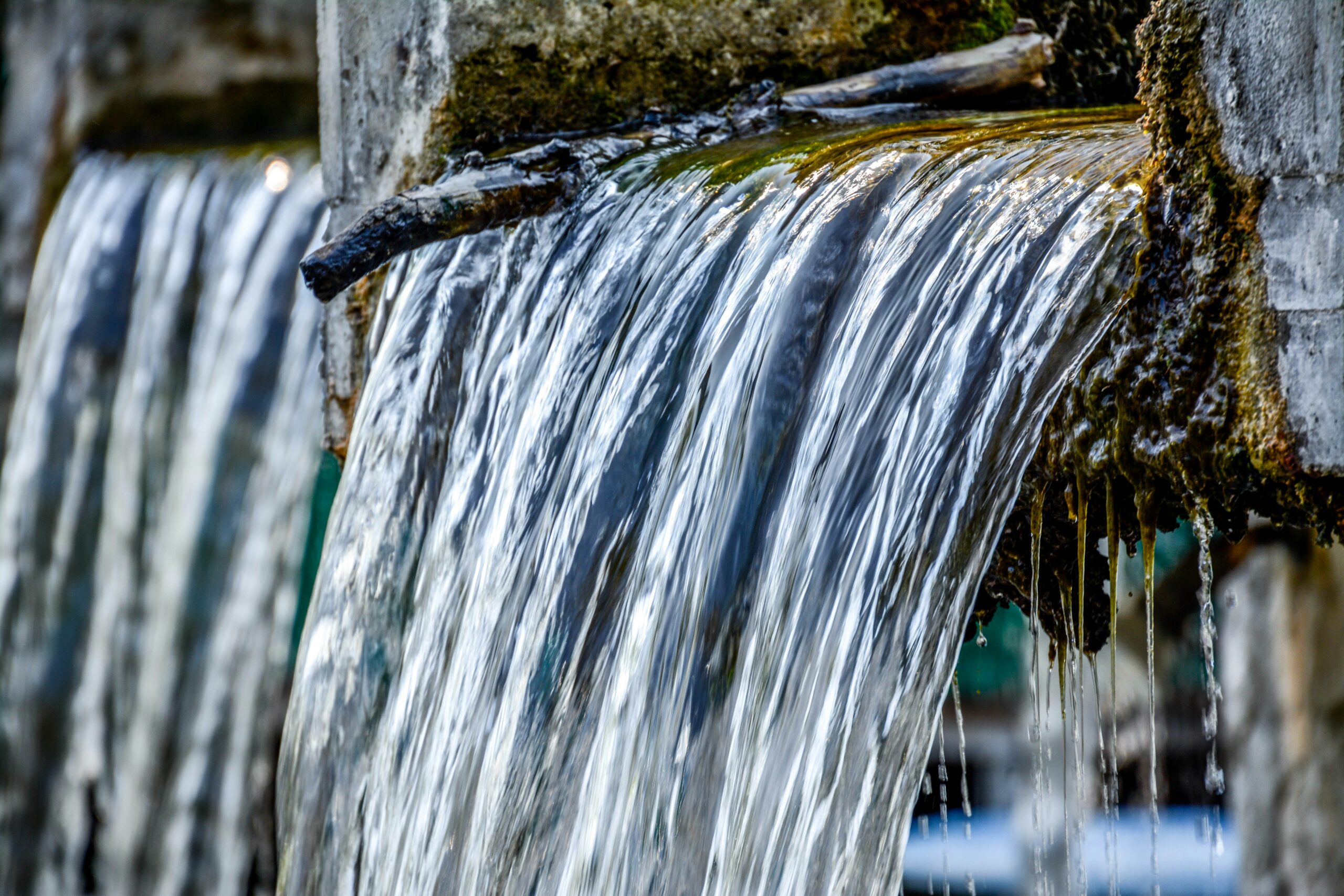
The water cycle continually moves water through the environment, and each stage shapes how communities manage water resources. Water rises into the air as vapor, forms clouds during cooling, and falls back to the surface as rain or snow. After that, it flows across the land, sinks into the soil, or collects in lakes and rivers. Because each stage affects water supply, the cycle connects climate, ecosystems, and human needs in a single natural system.
The cycle supports life by replenishing freshwater supplies and maintaining ecosystem stability. Plants grow well when the cycle delivers regular rainfall. Lakes stay active when runoff from rain fills them. Soil moisture improves when water infiltrates the ground. With these connections in place, the water cycle becomes essential for community health and environmental balance. Water resource management benefits from understanding the cycle because it explains how water moves and where it can be collected, protected, or conserved.
Evaporation and Its Influence on Water Availability
Evaporation begins when the sun warms oceans, lakes, and rivers. Water rises into the atmosphere as vapor, starting the cycle. Because evaporation depends on heat, climate conditions shape how much water leaves the surface. Hotter temperatures increase evaporation, which affects water supply in dry regions. Managers use information from evaporation patterns to plan for droughts, protect reservoirs, and guide conservation strategies.
Evaporation also helps cool the environment, which influences weather and rainfall. When large bodies of water release vapor, clouds form more easily. This connection helps predict storms, seasonal rainfall, and long-term climate shifts. Water managers use these insights to adjust storage plans and create policies that protect supplies. With evaporation understood clearly, communities can improve planning and protect water from waste.
Condensation and the Formation of Clouds
Condensation begins when vapor cools in the atmosphere. Water forms clouds that eventually release moisture through rain or snow. Because this stage depends on air temperature and humidity, changes in climate affect cloud formation. Managers study condensation patterns to predict rainfall and prepare for seasonal water needs. When clouds form at lower levels, rain tends to fall sooner. When clouds form higher, storms may become more intense.
Cloud formation also helps regulate temperature. As clouds reflect sunlight, they help cool the planet. This cooling influences local weather, which affects how water moves across the land. When managers understand these patterns, they can better protect water sources. Strong planning should account for cloud behavior, as it shapes the future of water availability.
Precipitation and Its Effect on Water Supply
Precipitation returns water to the surface, making rivers, lakes, and soil moisture possible. Rainfall shapes ecosystems and supports farming, while snowmelt provides a steady flow during warm seasons. Because precipitation patterns vary across regions, water suppliers must plan differently based on local climate. Managers prepare for rainfall by improving storage capacity, protecting watersheds, and ensuring safe distribution.
Heavy storms create challenges for communities. Floods damage property, wash pollutants into streams, and reduce water quality. Storm planning becomes vital because it protects both people and the environment. Strong strategies include restoring wetlands, improving drainage, and teaching conservation. Because precipitation varies widely, management must adjust to support communities during both wet and dry periods.
Runoff and Surface Water Management
Runoff occurs when water moves across the land instead of soaking into the ground. Rivers, streams, and lakes depend on runoff for flow. When rainfall increases, runoff increases, bringing more water to these systems. While some runoff benefits ecosystems, too much creates erosion, reduces soil quality, and harms water supplies. Water managers study runoff to design solutions that guide water safely and protect landscapes.
Communities create green spaces, restore forests, and build natural buffers to reduce runoff damage. Managers also work to limit pollution because runoff can carry chemicals, waste, and debris into waterways. Strong planning improves water quality and supports the natural water cycle. Because runoff affects both supply and safety, it plays a significant role in resource management.
Infiltration and the Importance of Groundwater
Infiltration begins when water enters the soil and moves downward. Soil moisture supports plant growth, and deeper infiltration replenishes groundwater. This part of the cycle provides water during dry seasons and supports farming, drinking water supplies, and industry. When infiltration decreases because of concrete surfaces or degraded soil, groundwater levels drop. Managers work to improve infiltration by restoring natural landscapes and protecting open ground.
Groundwater helps balance water supplies because it stays stored underground and becomes available during drought. When communities pump too much water, aquifers decline and can take many years to recover. Strong groundwater management supports long-term stability by reducing overuse, improving recharge, and monitoring levels. Because infiltration shapes groundwater, it becomes vital for water resource planning.
Collection and Distribution Across Ecosystems
The final stage of the water cycle gathers water into rivers, lakes, oceans, and groundwater. These stored sources support life, agriculture, and communities. Managers rely on these collections to distribute water safely and efficiently. When reservoirs fill from rainfall and runoff, they provide stable supplies. When lakes and aquifers stay healthy, they support entire regions.
However, climate change increases challenges. Higher temperatures raise evaporation rates, while storms become more unpredictable. Managers face pressure to update plans, strengthen conservation, and protect natural storage systems. Because collection shapes the availability of water on the surface and underground, it becomes central to sustainable resource management.
How Water Cycle Stages Guide Management Strategies
Every stage of the water cycle teaches managers how to protect water resources. Understanding evaporation helps communities prepare for drought. Studying precipitation improves storm planning and reduces flood risk. Tracking infiltration shows where groundwater needs protection. Each stage offers information that guides conservation and supports wise planning.
Strong management depends on precise knowledge of how the cycle works. Communities that understand these stages protect their water supply more effectively. They conserve water during dry periods, reduce pollution during storms, and restore natural systems that support the cycle. Because water moves constantly, management must stay flexible and responsive to new changes. When people recognize the connections between the cycle and resource planning, they build stronger and more sustainable water systems.
Additional Information
- Blog
- Strong management, teaching conservation, water resources
- Steve Weymer