Simple Ways to Conserve Water at Home for a Greener Life
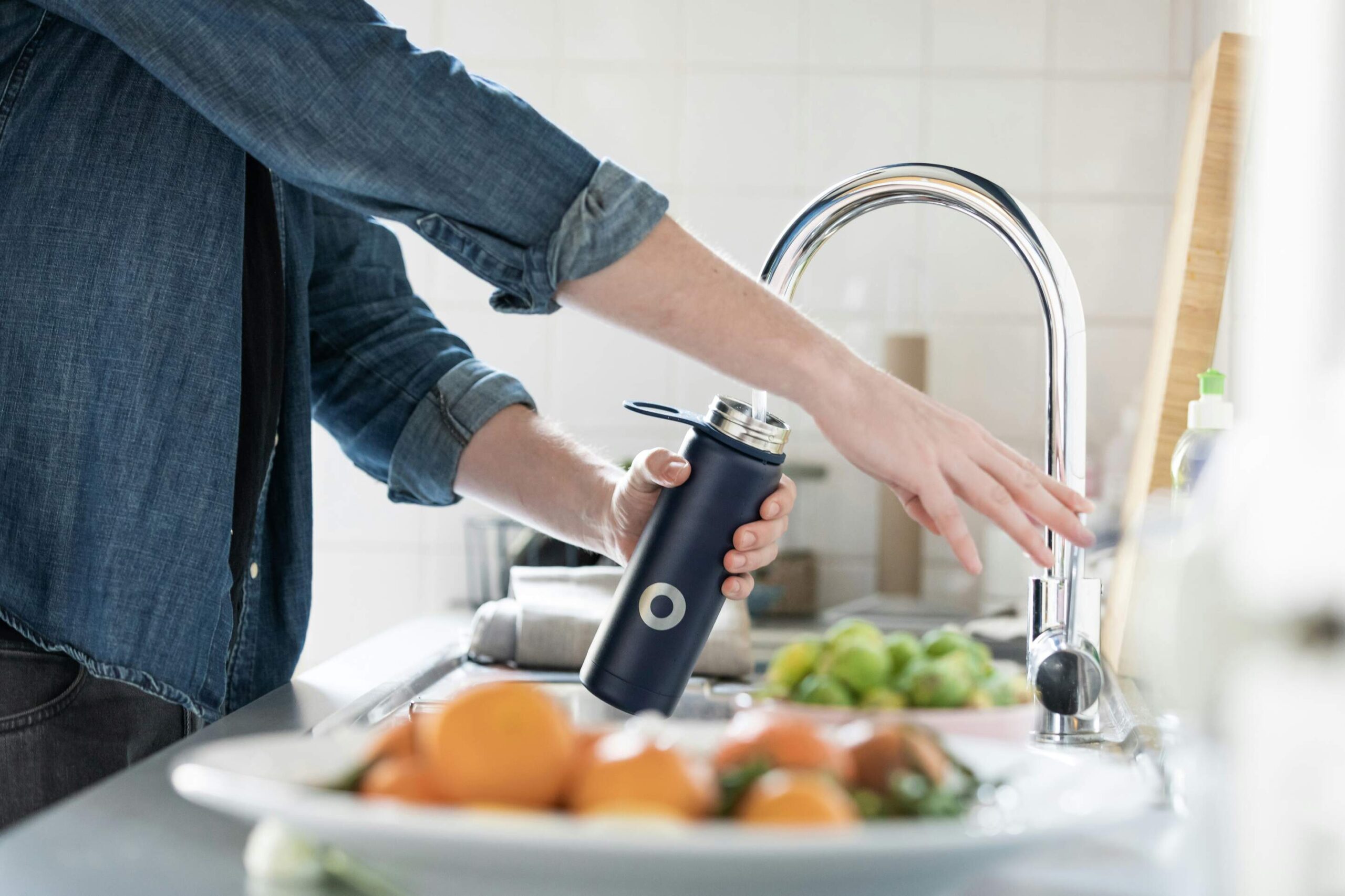
Water supports almost every part of our daily lives. We use it to cook, clean, bathe, and keep our homes comfortable. However, many households waste more water than they realize. Small habits, such as leaving a faucet running or taking long showers, can increase water use over time. Learning simple ways to conserve water at home can help families save money and protect the environment.
Water conservation does not require major changes or expensive equipment. Small actions can make a lasting difference when people practice them every day. By changing how we use water in the kitchen, bathroom, laundry room, and garden, we can reduce waste without losing comfort. These practical habits also help protect local water supplies for future generations.
Understand Why Saving Water at Home Matters
Fresh water is essential for healthy communities, food production, and natural ecosystems. Although water covers much of the planet, only a small portion is readily available for human use. Growing populations, pollution, and changing weather patterns can place additional pressure on water supplies. When households conserve water, they help reduce this pressure and support a healthier environment.
Saving water also benefits household budgets. Many families pay for both water delivery and wastewater services. Heating water also requires energy, which adds to monthly utility costs. Using less hot water can lower energy expenses while reducing overall water consumption. These savings may seem small at first, but consistent habits can create meaningful results over time.
Fix Leaky Faucets and Pipes Before They Waste More Water
A dripping faucet may seem harmless, but it can waste a surprising amount of water over time. Even a slow leak can continue throughout the day and night. Many household leaks come from worn washers, loose connections, or damaged seals. Regularly check faucets, showerheads, and visible pipes to catch problems before they become serious.
Homeowners should repair leaks as soon as possible. Simple problems may only require a replacement washer or a tighter connection. Larger plumbing issues may need professional attention. Toilets can also leak without making much noise. Adding a few drops of food coloring to the toilet tank can help reveal hidden leaks. If color appears in the bowl without flushing, the toilet may need repairs.
Change Your Shower Habits to Reduce Water Waste
Taking shorter showers is one of the easiest ways to conserve water at home. Long showers use more water and require more energy to heat. Reducing shower time by a few minutes can make a noticeable difference. Families can use a simple timer to encourage shorter showers without making bathing uncomfortable.
Installing a water-saving showerhead can further reduce water consumption. Modern designs often provide comfortable water pressure while using less water than older models. Turning off the shower while applying shampoo can also help. These small adjustments reduce waste while allowing everyone to maintain their regular hygiene routines.
Use Bathroom Faucets More Carefully Every Day
Bathroom sinks are common sources of unnecessary water use. Many people leave the tap running while brushing their teeth, shaving, or washing their faces. Water continues flowing even when no one needs it. Turning off the faucet during these activities is a simple habit that can prevent unnecessary waste.
Families can also install faucet aerators to reduce water flow. These small attachments mix air with water and help maintain a comfortable stream. They are usually affordable and easy to install. Teaching children to close faucets completely can also build lasting habits. When everyone pays attention to daily water use, the household can achieve better results.
Make Smarter Choices When Washing Dishes
Kitchen activities use water throughout the day. Washing dishes, cleaning vegetables, and preparing meals can create unnecessary waste when faucets remain open. Instead of letting water run continuously, people can fill a basin with water to wash dishes. Another basin can hold clean water for rinsing when needed. This approach offers better control over water use.
Dishwashers can also support water conservation when used correctly. Modern, efficient machines may use less water than handwashing dishes under a running tap. Running full loads helps make the most of each cycle. Scrape food off plates before loading them to reduce unnecessary rinsing. Following the manufacturer’s instructions helps maintain cleaning performance while limiting water consumption.
Save Water While Preparing Food and Cooking Meals
Food preparation offers several opportunities to reduce water waste. Many people rinse fruits and vegetables under running water for longer than necessary. Washing produce in a clean bowl of water can help reduce consumption. Afterward, the collected water may be suitable for watering nonedible plants if it contains no harmful cleaning products.
Cooking habits also influence household water use. Using the right amount of water when boiling vegetables, rice, or pasta can prevent waste. Covering pots helps reduce evaporation and may shorten cooking time. When safe and appropriate, you can reuse leftover cooking water after it cools. For example, you can add plain water from steaming vegetables to soups or sauces.
Improve Laundry Habits to Use Less Water
Laundry machines account for a significant share of household water consumption. Washing small loads too often can use more water than necessary. Waiting until you have enough clothes for a full load improves efficiency. However, overloading the machine may prevent proper cleaning. Following the recommended load size gives better results while avoiding unnecessary water use.
Choosing an efficient washing machine can also make a difference. Some newer models adjust water levels based on the amount of clothing. Selecting the correct cycle helps reduce waste without harming fabrics. Lightly worn clothes may not need washing right away. By making thoughtful laundry decisions, families can save water, reduce energy use, and extend the life of their clothing.
Water Your Garden Without Wasting Valuable Resources
Gardens and lawns can require large amounts of water, especially during warm weather. However, watering at the wrong time may cause much of that moisture to evaporate. Early morning is often a good time to water outdoor plants because temperatures are usually cooler. Watering slowly near plant roots also helps moisture reach the soil where plants need it most.
Choosing suitable plants can reduce outdoor water demand. Native plants and drought-tolerant varieties often require less watering once established. Adding mulch around plants helps soil retain moisture and limits evaporation. Rain barrels may also provide water for outdoor use where local rules permit them. These simple gardening choices help keep plants healthy while protecting valuable water supplies.
Reduce Water Waste During Household Cleaning
Cleaning floors, patios, driveways, and outdoor furniture can use more water than you expect. Using a running hose for every cleaning task often wastes water. Sweep outdoor surfaces before washing to remove dirt and leaves without using water. A bucket and cloth may also work well for smaller cleaning jobs.
Car washing offers another opportunity to conserve water. Washing a vehicle with a bucket and sponge can offer more control than using a continuously running hose. If you need a hose, a nozzle that stops water flow when you release the trigger can help prevent waste. Some commercial car washes recycle water through their cleaning systems. Choosing responsible cleaning methods protects water supplies while keeping household spaces clean.
Encourage the Whole Family to Practice Water Conservation
Water-saving habits work best when everyone in the household participates. Parents can explain why water matters and demonstrate simple actions during everyday activities. Children can learn to turn off taps, report leaks, and avoid unnecessary water use. Making conservation part of normal family routines helps these habits develop naturally.
Families can also review their water bills to understand changes in consumption. Comparing monthly use may reveal unusual increases that suggest leaks or changing habits. Setting realistic household goals can encourage steady improvement. Celebrating progress helps everyone stay involved without making conservation feel like a difficult task.
Build Long-Term Habits for a More Sustainable Home
Saving water works best when people focus on consistency rather than dramatic changes. Simple improvements, such as fixing leaks, taking shorter showers, and running full laundry loads, can reduce waste year-round. Households can gradually adopt more efficient appliances and fixtures when they need replacements. This approach supports conservation without creating unnecessary expenses.
Water conservation also encourages greater awareness of natural resources. Every gallon saved reduces demand on local water systems and may lower the energy needed to deliver, heat, or treat water. By practicing simple ways to conserve water at home, families can protect their budgets and contribute to a more sustainable future. Small daily choices can create lasting benefits for both communities and the environment.
Additional Information
- Blog
- daily lives, Kitchen activities, local water systems
- Steve Weymer