The Impact of Climate Change on Global Water Resources
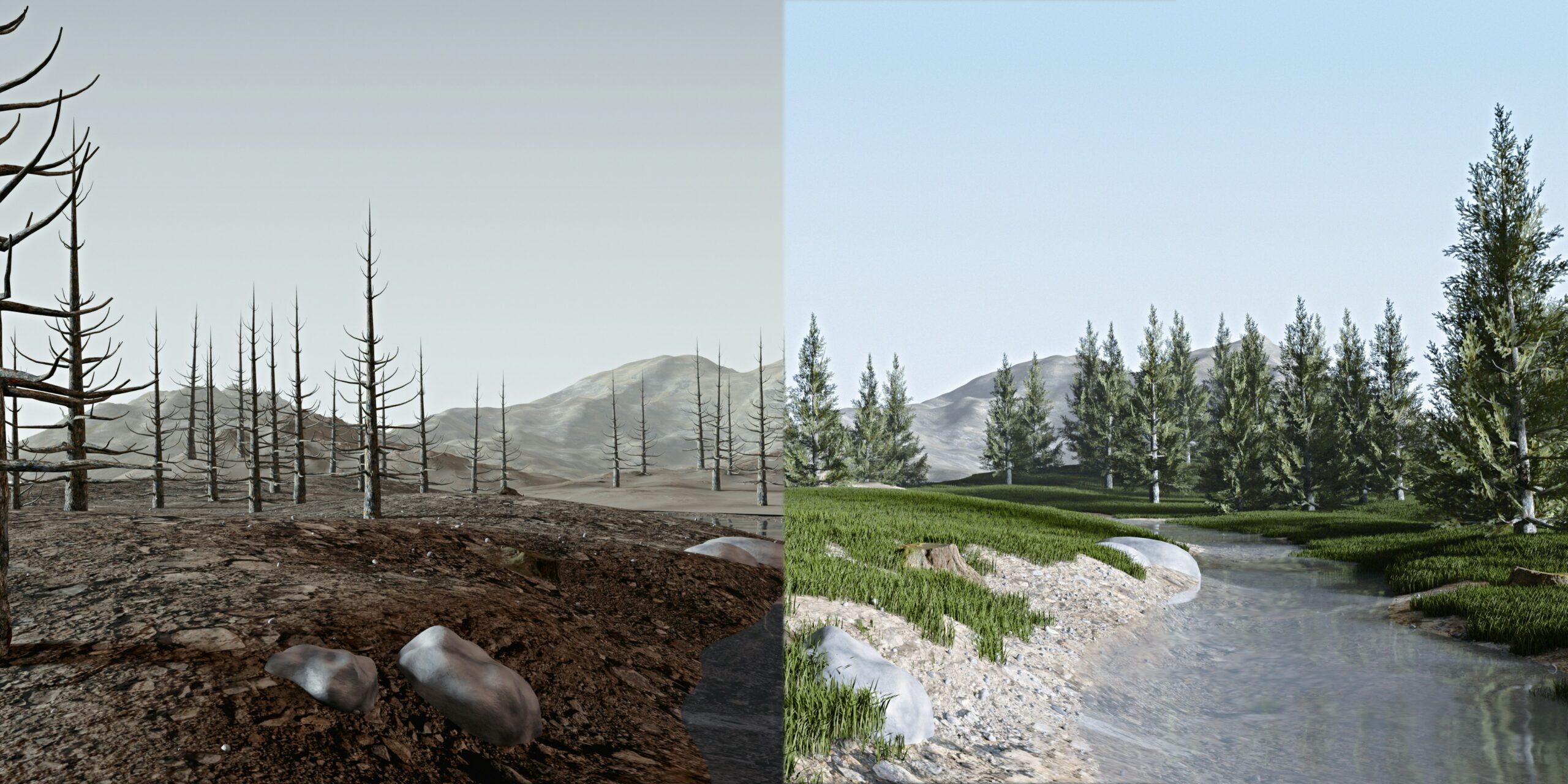
Climate change is changing how water moves across the planet. Rising temperatures affect rainfall, rivers, lakes, glaciers, groundwater, and oceans. These changes affect how much clean water people can access and when it is available.
Water supports homes, farms, businesses, energy production, and natural ecosystems. When climate patterns shift, water systems become less reliable. Some regions receive too much water in a short period, while others face long dry seasons. These changes create growing pressure on communities around the world.
Rising Temperatures Increase Water Loss
Higher temperatures cause water to evaporate faster from lakes, rivers, reservoirs, and soil. This process reduces the amount of water available for people, farming, and wildlife. Hotter weather can also dry out land more quickly after rainfall.
As temperatures continue to rise, many places need more water even as supplies shrink. People use more water for drinking, cooling, and farming during hot periods. This growing demand can place extra pressure on already limited water sources.
Changing Rainfall Patterns Affect Water Supply
Climate change can alter where, when, and how much rain falls. Some regions now experience heavier rain, while others face longer periods without enough rainfall. These changes make it harder for communities to depend on normal seasonal water patterns.
Irregular rainfall can also reduce the amount of water stored in rivers, lakes, and reservoirs. When rain arrives too quickly, much of it may run across the land instead of soaking into the ground. This can reduce groundwater recharge, leaving communities with less water during dry months.
Droughts Are Becoming More Severe
Drought occurs when an area receives much less water than usual for an extended period. Climate change can make droughts more frequent and more intense. Higher temperatures can dry soil faster and increase the amount of water lost through evaporation.
Long droughts can create serious problems for homes, farms, and local economies. Farmers may struggle to grow crops or provide enough water for animals. Cities may introduce water restrictions. Rivers can shrink, and wells may produce less water. In severe cases, communities may face long-term water shortages.
Flooding Can Damage Freshwater Sources
Climate change can increase the risk of heavy rainfall and flooding in many areas. Floods may seem like a solution to water shortages, but they often create new problems. Large amounts of water can move through communities too quickly to be safely collected or stored.
Floodwater can carry waste, chemicals, soil, and harmful bacteria into rivers and lakes. It can also damage water treatment plants and sewage systems. When this happens, safe drinking water may become harder to access. Communities may need extra time and money to restore clean water services after a major flood.
Melting Glaciers Threaten Long-Term Water Supplies
Glaciers store huge amounts of freshwater. Many rivers depend on melting snow and ice to maintain water flow during warm and dry seasons. As global temperatures rise, glaciers in many mountain regions are shrinking.
At first, faster melting can increase river flow. Over time, however, smaller glaciers hold less ice and provide less water. Communities that depend on glacier-fed rivers may face lower water supplies in the future. This problem can affect drinking water, farming, energy production, and natural habitats.
Groundwater Faces Growing Pressure
Groundwater is stored below the surface in soil and rock. Many communities depend on it when rivers and lakes cannot provide enough water. Climate change can reduce groundwater recharge when rainfall becomes less regular or when dry periods last longer.
At the same time, people may pump more groundwater during droughts. If water is removed faster than nature can replace it, underground water levels can fall. Wells may become less reliable, and pumping can become more expensive. In coastal areas, lower groundwater levels can also allow saltwater to move into freshwater supplies.
Agriculture Is Becoming More Difficult
Farming uses a large share of the world’s freshwater. Crops need dependable water during key stages of growth. Climate change can make this harder by increasing heat, altering rainfall patterns, and causing longer dry periods.
Farmers may need to use more irrigation to protect crops during hot weather. However, water may already be limited. This creates competition between farming, homes, businesses, and natural ecosystems. Reduced water supply can lower crop production and increase food prices, especially in regions that already face water stress.
Water Quality Can Decline
Climate change affects not only the amount of water available but also its quality. Warmer water can encourage the growth of harmful algae and bacteria. These changes can make rivers and lakes less safe for drinking, swimming, fishing, and wildlife.
Heavy rain can also wash fertilizers, waste, and other pollutants into freshwater sources. During droughts, lower river levels can reduce water’s ability to dilute pollution. As a result, treatment systems may need to work harder to provide clean and safe water.
Coastal Freshwater Is at Risk
Rising sea levels create another challenge for freshwater resources. As sea levels rise, saltwater can intrude into coastal groundwater and rivers. This process can make freshwater too salty for drinking or farming.
Low-lying coastal communities face some of the highest risks. They may need to find new water sources, improve treatment systems, or move wells farther inland. These changes can be costly, especially for small towns and developing regions with limited resources.
Freshwater Ecosystems Are Changing
Rivers, lakes, wetlands, and streams support many plants and animals. These ecosystems depend on certain water temperatures, flow levels, and seasonal patterns. Climate change can disturb these conditions.
Lower river levels and warmer water can reduce oxygen and harm fish. Wetlands may dry out or flood at unusual times. Changes in freshwater ecosystems can also affect people because healthy natural systems help clean water, reduce flooding, support fishing, and provide habitats for wildlife.
Communities Face Unequal Water Risks
Climate change does not affect every community in the same way. Wealthier regions may have stronger water systems, better storage, and more money to respond to shortages or floods. Poorer communities may have fewer options.
Rural areas, dry regions, small islands, and fast-growing cities can face greater challenges. People may need to travel farther to collect water or pay more for safe supplies. Climate change can increase existing differences in access to clean water and make daily life harder for vulnerable communities.
Better Water Management Can Reduce the Impact
Governments, businesses, and communities can take steps to protect water resources. Better storage systems can save water during wet periods for use during dry months. Improved irrigation can help farmers grow food with less water. Repairing leaking pipes can also reduce waste.
Protecting forests, wetlands, and watersheds can improve water quality and help the land store more water naturally. Communities can also prepare for droughts and floods through stronger planning. These actions cannot stop climate change alone, but they can reduce damage and improve water security.
Protecting Water Resources Requires Global Action
Climate change has become a major challenge for freshwater supplies around the world. Rising temperatures, changing rainfall patterns, droughts, floods, melting glaciers, and sea-level rise are already affecting how water is stored and used.
Protecting global water resources requires both climate action and better water management. Reducing greenhouse gas emissions can limit future warming, while smarter water use can help communities prepare for change. Clean and reliable water is essential for health, food, nature, and economic growth. Protecting it must remain a global priority.
Additional Information
- Blog
- economic growth, freshwater supplies, natural ecosystems
- Steve Weymer