Smart Ways to Save Water with Residential Rainwater Harvesting Systems
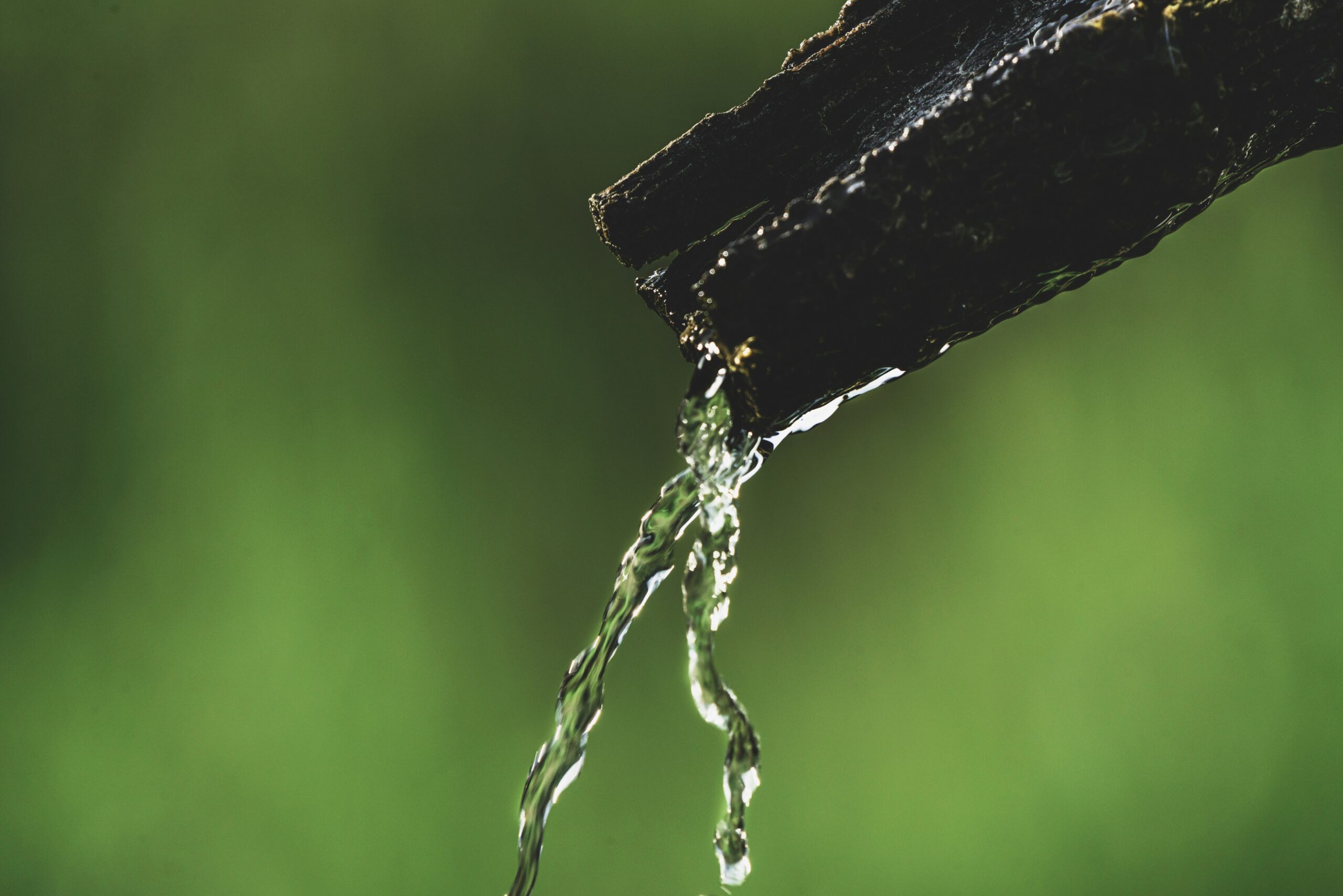
Rainwater harvesting systems are becoming a popular choice for homeowners who want to save water, lower utility bills, and help the environment. These systems collect rainwater from rooftops and store it for future use. Instead of letting rainwater flow into storm drains, it can be used for many household and outdoor tasks. A well-designed rainwater harvesting system is a practical investment that supports water conservation while providing a reliable source of water during dry periods.
What Is a Residential Rainwater Harvesting System?
A residential rainwater harvesting system is a setup that captures rainwater from a home’s roof and stores it in a tank or container. The collected water can be used to water gardens, wash cars, clean outdoor spaces, and even flush toilets. Some advanced systems include filters and treatment equipment that make the water suitable for additional household uses.
The basic system includes gutters, downspouts, filters, storage tanks, and a distribution method. Together, these parts help collect clean rainwater while keeping leaves, dirt, and debris out of the storage tank.
Benefits of Rainwater Harvesting
One of the biggest advantages of rainwater harvesting is reducing the demand for treated water. Using stored rainwater for daily tasks helps lower monthly water bills and reduces pressure on local water supplies.
Rainwater is naturally soft because it contains fewer minerals than treated water. This makes it a good option for watering plants and washing outdoor surfaces without leaving mineral deposits behind.
Another important benefit is environmental protection. Collecting rainwater reduces stormwater runoff, which can carry pollutants into rivers and lakes. By capturing rainwater before it reaches storm drains, homeowners can help improve local water quality and reduce soil erosion around their property.
Choosing the Right Storage System
Selecting the right storage tank depends on the amount of rainfall, roof size, and household needs. Smaller tanks work well for basic gardening and outdoor cleaning, while larger tanks can support more frequent water use.
Storage tanks are available in different materials, including plastic, fiberglass, concrete, and metal. Each material has its own advantages, but durability, maintenance requirements, and available space should all be considered before making a decision.
The tank should be placed on a stable surface and located where it can easily receive water from the roof drainage system. Proper placement also makes maintenance and cleaning much easier.
Installation and Maintenance
Installing a rainwater harvesting system begins with inspecting the roof and gutter system. Clean gutters and properly functioning downspouts allow rainwater to flow smoothly into the storage tank. A filter should be installed to remove leaves, twigs, and other debris before the water enters the tank.
Regular maintenance helps keep the system working efficiently. Gutters should be cleaned several times each year, especially during the fall when leaves are more likely to collect. Storage tanks should also be inspected for sediment buildup, leaks, and signs of algae growth.
Keeping the system clean ensures better water quality and extends the life of the equipment. Simple maintenance can prevent expensive repairs and improve long-term performance.
Common Uses for Collected Rainwater
Collected rainwater is useful for many everyday activities around the home. Many homeowners use it to water lawns, flower beds, vegetable gardens, and landscaping. Because rainwater is free from many treatment chemicals, it is often preferred for healthy plant growth.
Rainwater is also commonly used to wash vehicles and clean driveways, patios, fences, and outdoor furniture. Some homes connect harvested rainwater to irrigation systems, making landscape watering more efficient throughout the growing season.
In homes with advanced filtration systems, rainwater may also be used for indoor purposes such as flushing toilets or supplying water for laundry. Local regulations should always be checked before connecting harvested rainwater to indoor plumbing systems.
Improving Water Conservation at Home
A rainwater harvesting system works best when combined with other water-saving practices. Fixing leaking faucets, installing water-efficient fixtures, and choosing drought-tolerant plants can further reduce overall water use.
Homeowners can also monitor water consumption throughout the year and adjust irrigation schedules based on seasonal rainfall. During rainy months, harvested water may provide enough supply to reduce the need for additional watering.
Using rainwater wisely helps preserve valuable water resources while making homes more environmentally friendly and cost-effective.
Why More Homeowners Are Choosing Rainwater Harvesting
Growing concerns about water conservation have encouraged many homeowners to install rainwater harvesting systems. Rising utility costs and increasing awareness of environmental responsibility have made these systems an attractive long-term solution.
Modern rainwater harvesting systems are easier to install and maintain than ever before. Many options are designed to blend with residential landscapes while providing dependable water storage throughout the year.
With proper planning and regular maintenance, a residential rainwater harvesting system can provide years of reliable service. It offers an effective way to reduce water waste, save money, and support sustainable living while making better use of one of nature’s most valuable resources.