Protecting Water Quality: The Impact of Pollution on Local Water Sources and How to Prevent It
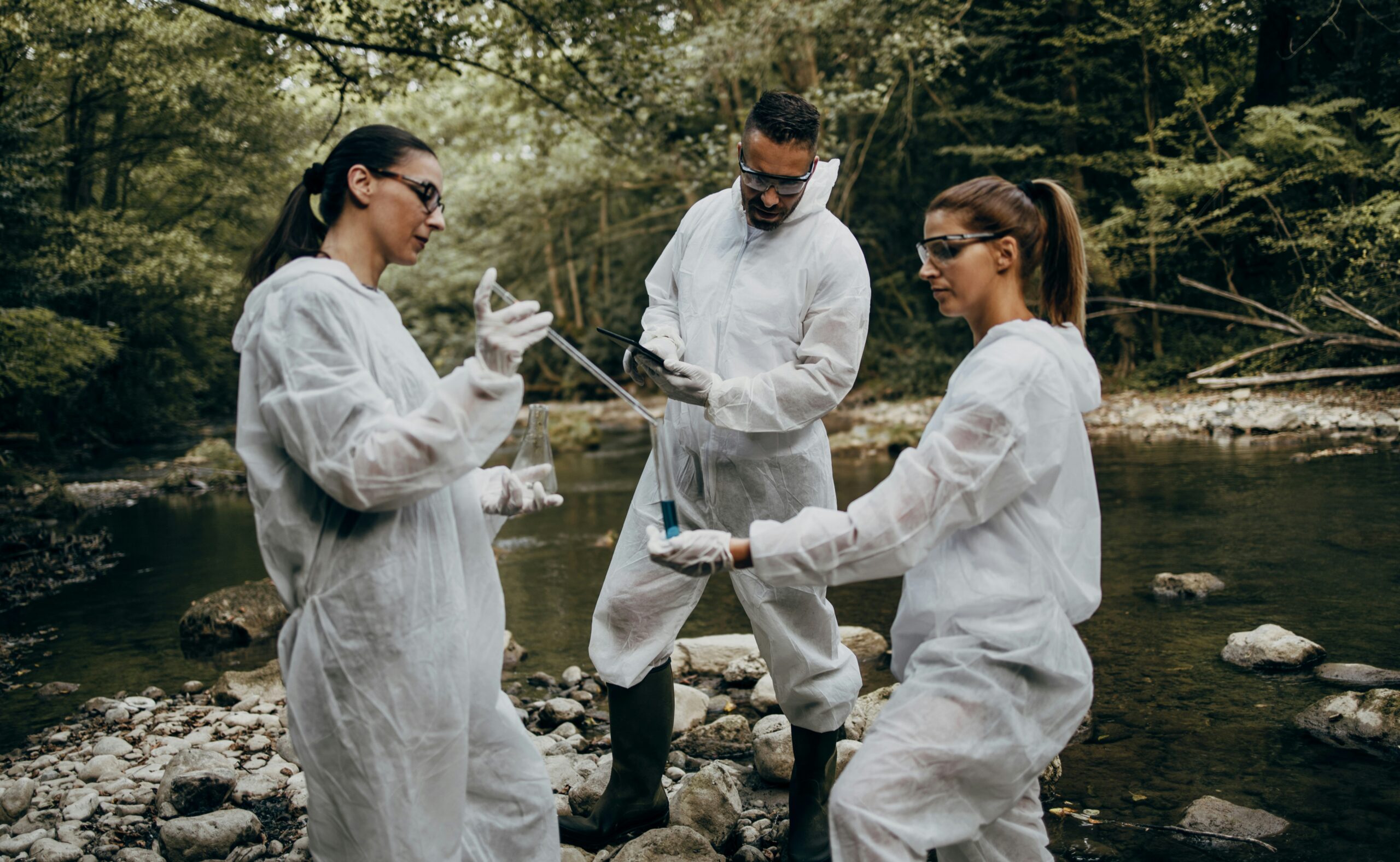
Water plays a key role in every part of life, yet many communities struggle with contamination that threatens health and ecosystems. Water quality pollution prevention has become more important than ever because pollution affects drinking water, wildlife, and agriculture. As cities grow and industries expand, local water sources face increasing pressure from harmful substances. Therefore, understanding the impact of pollution helps people take meaningful steps to protect these resources.
At the same time, individuals and communities can make a real difference by adopting better habits and making smarter choices. When people learn how pollution enters water systems, they can act quickly to reduce damage. As a result, clean water remains available for future generations. This article explores how pollution affects local water sources and explains practical ways to prevent it.
Understanding the Sources of Water Pollution
Water pollution begins when harmful materials enter rivers, lakes, or groundwater systems. These materials often come from everyday human activities such as farming, manufacturing, and waste disposal. For example, fertilizers and pesticides from farms can wash into nearby streams during rainfall. Similarly, factories may release chemicals into water bodies if they lack proper treatment systems. As a result, these pollutants disrupt natural ecosystems and harm aquatic life.
In addition, urban areas contribute to water contamination through stormwater runoff. When rain flows over roads and sidewalks, it carries oil, trash, and other pollutants into drains that lead to water sources. Over time, these pollutants accumulate, reducing water quality. Therefore, understanding these sources helps communities identify where problems begin and how to stop them before they spread.
Effects of Pollution on Ecosystems and Wildlife
Pollution directly impacts aquatic ecosystems, which rely on clean water to survive. When harmful chemicals enter water, they reduce oxygen levels, making it difficult for fish and other organisms to survive. For instance, excess nutrients from fertilizers can cause algae blooms that block sunlight and deplete oxygen. As a result, fish die, and ecosystems lose balance.
Moreover, toxic substances such as heavy metals and plastics harm wildlife in many ways. Animals may ingest pollutants or absorb them through their skin, which leads to illness or death. Over time, these toxins move through the food chain and affect larger animals, including humans. Therefore, protecting water quality supports not only ecosystems but also overall environmental health.
Human Health Risks Linked to Contaminated Water
Contaminated water poses serious risks to human health, especially when people rely on local sources for drinking and cooking. Pollutants such as bacteria, chemicals, and heavy metals can cause diseases ranging from stomach infections to long-term illnesses. For example, exposure to lead in water can harm brain development in children. As a result, clean water becomes essential for safe and healthy living.
In addition, polluted water affects communities through indirect exposure. People may consume contaminated fish or use polluted water for irrigation, which introduces harmful substances into food supplies. Over time, this exposure increases health risks and strains healthcare systems. Therefore, focusing on water quality pollution prevention helps reduce these dangers and supports public well-being.
The Role of Industrial and Agricultural Activities
Industries and agriculture play a major role in shaping water quality, both positively and negatively. While these sectors support economic growth, they also generate waste that can harm water sources. Factories may release untreated wastewater, while farms use chemicals that can seep into groundwater. As a result, these activities often become key contributors to water pollution.
However, industries and farmers can adopt better practices to reduce their impact. For example, companies can install advanced filtration systems to treat wastewater before release. Similarly, farmers can use organic fertilizers and improve land management to control runoff. Therefore, balancing productivity with environmental care ensures long-term sustainability and cleaner water systems.
Community Actions to Protect Local Water Sources
Communities play a vital role in protecting local water sources through awareness and action. When people understand how their daily habits affect water quality, they can make smarter choices. For instance, reducing plastic use and properly disposing of waste helps prevent pollution from entering waterways. In addition, community clean-up efforts can remove existing pollutants and restore natural areas.
Furthermore, education and local programs encourage long-term change. Schools, organizations, and local governments can work together to promote sustainable practices. As a result, communities build a culture of responsibility and care for their environment. This collective effort strengthens water quality pollution prevention and ensures cleaner water for everyone.
Government Policies and Environmental Regulations
Governments play a crucial role in controlling water pollution through laws and regulations. These policies set limits on waste disposal, chemical use, and emissions that affect water systems. For example, regulations may require industries to treat wastewater before releasing it into rivers. As a result, these rules help reduce pollution at its source.
At the same time, enforcement and monitoring ensure that these policies remain effective. Governments can conduct regular inspections and impose penalties on violators. In addition, they can invest in infrastructure such as water treatment plants and drainage systems. Therefore, strong policies combined with active enforcement create a solid foundation for protecting water quality.
Practical Steps Individuals Can Take Daily
Individuals can take simple yet powerful steps to reduce water pollution in their daily lives. For example, using eco-friendly cleaning products helps reduce the amount of harmful chemicals that enter water systems. Similarly, fixing leaks and conserving water reduces strain on local resources. As a result, small actions add up to significant improvements over time.
In addition, proper waste disposal plays a key role in prevention. People should avoid pouring oil, paint, or chemicals down drains, as these substances can contaminate water supplies. Instead, they can use designated hazardous waste disposal sites. Therefore, personal responsibility supports broader efforts to prevent water pollution and creates lasting change.
Innovative Solutions for Cleaner Water
Technology continues to offer new solutions to improve water quality and prevent pollution. Advanced filtration systems can remove harmful substances from water more effectively than traditional methods. In addition, smart monitoring systems can detect pollution early and help authorities respond quickly. As a result, these innovations improve water management and reduce risks.
Moreover, sustainable practices such as green infrastructure help manage runoff and protect natural systems. For example, rain gardens and permeable surfaces allow water to filter naturally into the ground. This process reduces pollution and supports groundwater recharge. Therefore, combining technology with natural solutions creates a more effective approach to protecting water resources.
Building a Sustainable Future Through Water Protection
Protecting water sources requires a long-term commitment from individuals, communities, and governments. When everyone works together, they can reduce pollution and preserve clean water for future generations. Education, innovation, and responsible practices all contribute to this goal. As a result, societies can build a sustainable future with healthier ecosystems and safer water.
Sustainable water protection strategies ensure that communities continue to thrive while protecting natural resources. By focusing on prevention and taking action today, people can reduce the impact of pollution on local water sources. Therefore, every effort counts in creating a cleaner, safer environment for all.
Additional Information
- Blog
- land management, natural resources, water systems
- Steve Weymer