Understanding Water Management: Why Effective Water Management Matters for the World
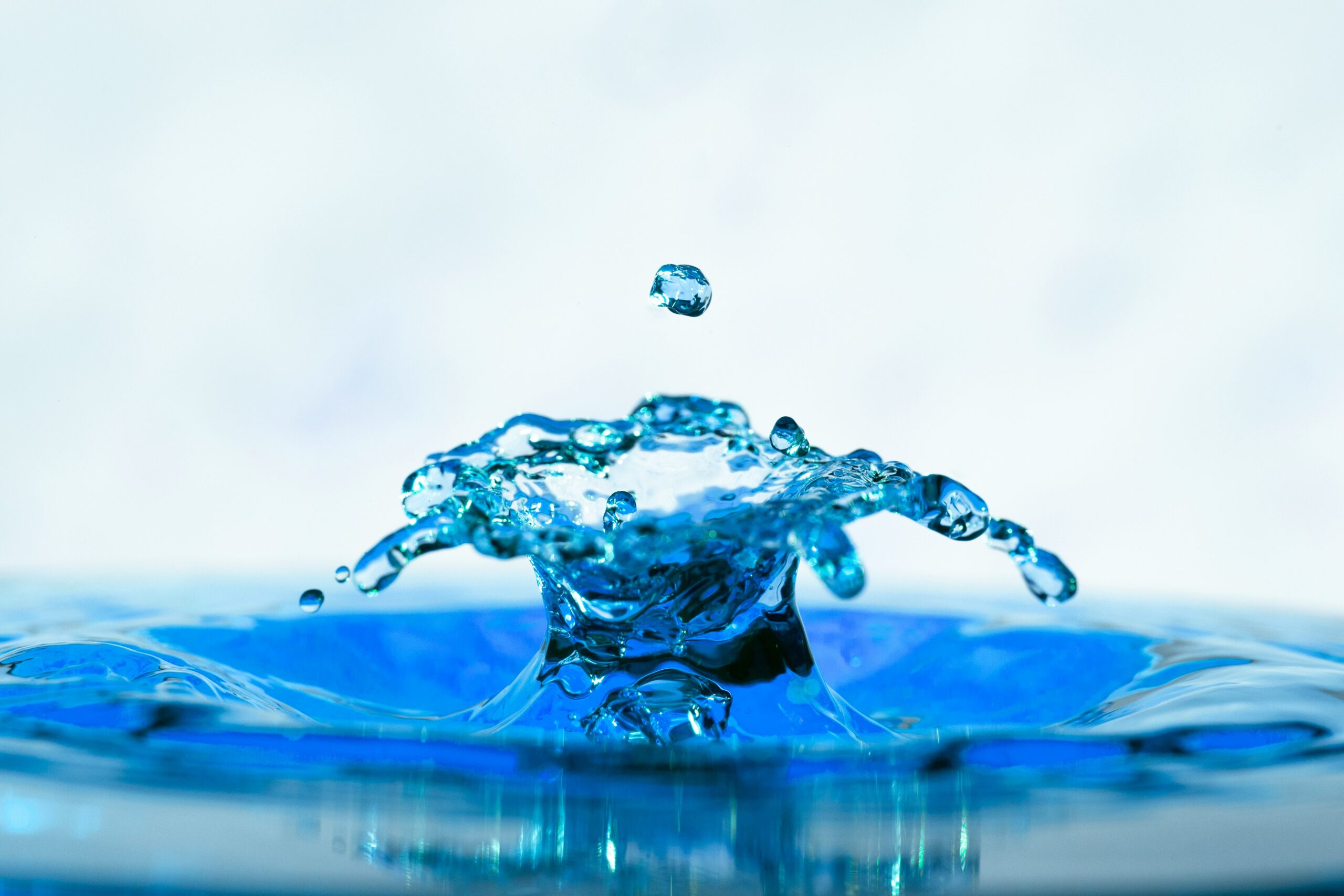
Water supports life on Earth in many ways. People drink it, cook with it, grow food with it, and use it for cleaning and energy. Yet water is not unlimited. Many places already struggle with water shortages and pollution. Because of this, water management has become a major global concern. Water management refers to the planning, control, and protection of water resources. It focuses on using water smartly and responsibly. The goal is to ensure that water remains available for people, nature, and future generations. Water management includes many activities such as storing water, treating wastewater, controlling floods, and protecting rivers and lakes. It also involves managing groundwater and rainwater. Without careful management, communities may face serious problems like drought, crop failure, and water pollution. Rapid population growth and climate change make these problems even more serious. Water management helps balance water supply and demand. It ensures that water is distributed fairly and used efficiently. This approach helps protect ecosystems while also supporting human development and economic growth.
What Water Management Really Means
Water management is the process of organizing how water is collected, stored, distributed, and used. It includes both natural water sources and human-made systems. Natural sources include rivers, lakes, rainwater, glaciers, and groundwater. Human systems include reservoirs, canals, treatment plants, and irrigation networks. Water managers study how water flows through these systems. They analyze rainfall, river levels, and groundwater supplies. These experts then design plans to make sure water is used wisely. Water management also involves protecting water quality. Polluted water can cause serious health problems and damage ecosystems. Industries, farms, and cities must control waste to keep water sources clean. Water managers also monitor how much water people use every day. If water use becomes too high, shortages may occur. By managing water carefully, communities can avoid these risks. Management also supports emergency planning. It helps prepare for floods, droughts, and storms. Good water management systems make sure water reaches homes, farms, and businesses safely and efficiently.
The Growing Global Water Challenge
Water problems are increasing worldwide. One major reason is population growth. As the global population increases, water demand rises. More people need water for drinking, sanitation, and food production. Agriculture alone uses a large portion of the world’s freshwater supply. Farmers rely on irrigation to grow crops and feed communities. Climate change also affects water availability. Rainfall patterns are becoming less predictable in many regions. Some areas experience long droughts, while others face intense floods. These changes make water planning more difficult. Pollution is another serious issue. Industrial waste, chemicals, and sewage can contaminate water sources. Once water becomes polluted, it becomes unsafe for human use and harmful to wildlife. Groundwater depletion is also a major concern. Many cities pump groundwater faster than it can naturally refill. This causes water tables to drop and wells to dry out. These problems show why better water planning is needed. Strong water policies and responsible usage can help protect water supplies for the future.
Common Techniques Used in Water Management
Many tools and strategies help improve water management systems. One important method is water conservation. Conservation focuses on reducing unnecessary water use. Households can save water by fixing leaks, installing efficient appliances, and using less water in daily tasks. Rainwater harvesting is another effective approach. This system collects rainwater from roofs and stores it for later use. Rainwater can be used for gardening, cleaning, and irrigation. Wastewater recycling is also becoming more common. Treatment plants clean used water so it can be reused safely. Cities and industries often reuse treated water for irrigation or cooling systems. Another key method is improved irrigation technology. Modern systems, such as drip irrigation, deliver water directly to plant roots. This reduces water loss from evaporation and runoff. Reservoirs and dams also play an important role. They store water during rainy seasons so it can be used during dry periods. Watershed protection is another critical strategy. Protecting forests and wetlands helps maintain natural water cycles and reduce flooding risks. These combined methods support long-term water stability and efficient resource use.
Benefits of Strong Water Management Systems
Effective water management provides many important benefits for society. The most obvious benefit is a reliable supply of clean drinking water. Clean water protects public health and reduces disease. Hospitals, schools, and households depend on safe water every day. Water management also supports agriculture. Farmers need steady water supplies to grow crops and maintain food production. Stable irrigation systems help improve crop yields and protect food security. Another major benefit is environmental protection. Rivers, lakes, and wetlands support many plant and animal species. Balanced water use helps maintain healthy ecosystems. Water management also strengthens local economies. Industries such as manufacturing, energy production, and tourism rely on water resources. Reliable water supplies help businesses operate without interruption. Flood management is another key advantage. Proper drainage systems and reservoirs reduce flood risks and protect communities. Drought planning also helps communities prepare for water shortages. Because of these benefits, many countries are now investing in sustainable water management systems. These systems aim to balance economic development with environmental protection.
The Role of Society in Responsible Water Use
Everyone has a role in protecting water resources. Governments create policies and regulations to control water use and pollution. These laws help protect rivers, lakes, and groundwater supplies. Governments also invest in water infrastructure such as pipelines, treatment plants, and reservoirs. These systems ensure that clean water reaches communities safely. At the same time, individuals must practice responsible water habits. Simple actions, like turning off the tap while brushing teeth, can save large amounts of water. Reducing plastic waste also protects water bodies from pollution. Farmers can adopt efficient irrigation methods to reduce water waste. Businesses can install water-recycling systems to reduce industrial pollution. Education plays a key role in encouraging responsible behavior. Schools and public campaigns help people understand the value of water resources. When communities work together, water protection becomes more effective. Technology also helps monitor water systems and detect leaks quickly. In the future, stronger cooperation between governments, scientists, and citizens will help improve water systems worldwide. These efforts support integrated water resource management, which balances water use across agriculture, industry, and ecosystems while protecting water for future generations.
Additional Information
- Blog
- Steve Weymer