Understanding Climate Change Impacts on Water Resources
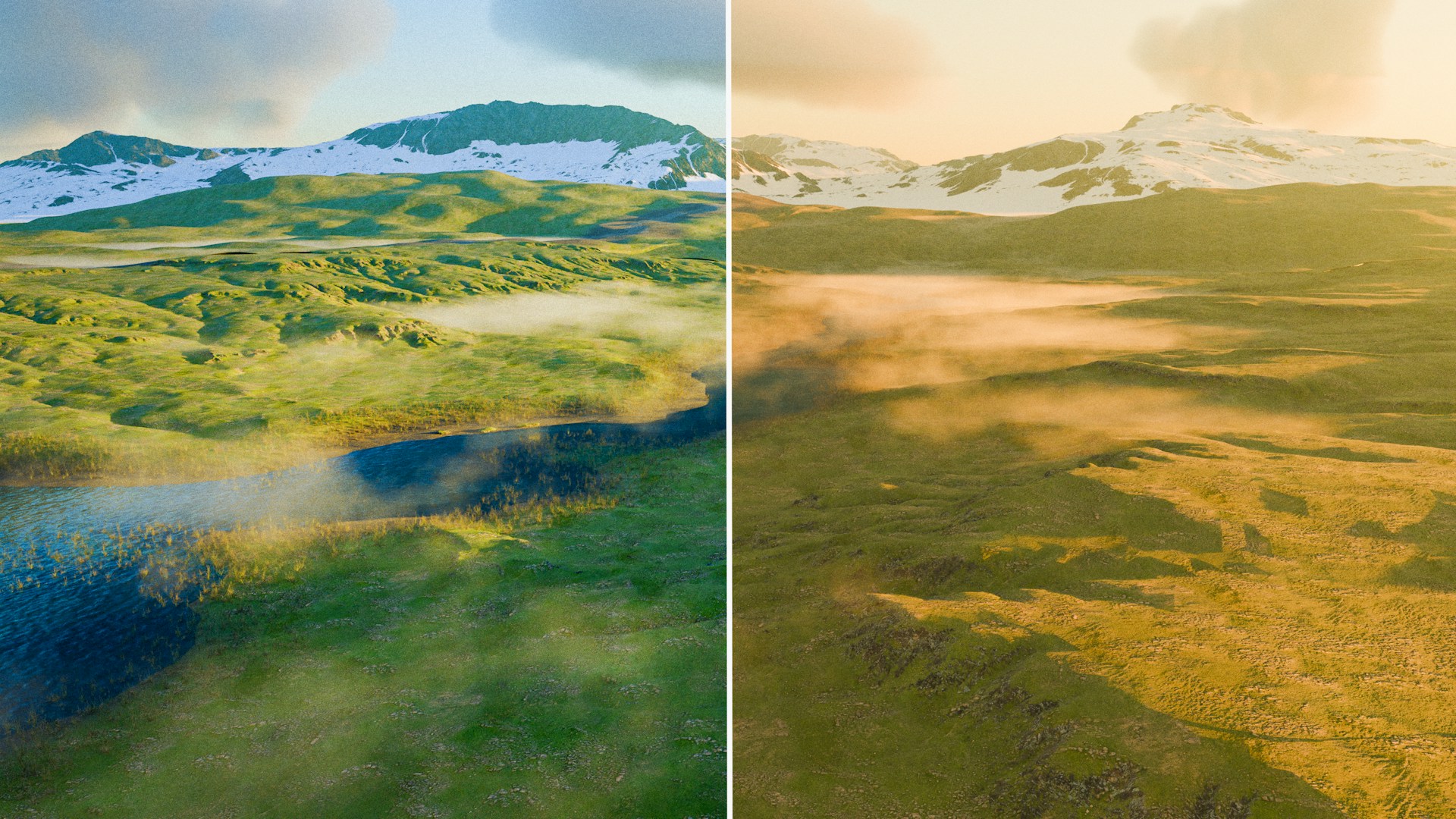
Climate change impacts on water resources refer to the ways rising global temperatures and shifting weather patterns affect the availability, distribution, and quality of freshwater. Water is essential for drinking, agriculture, sanitation, energy production, and ecosystem health. When climate systems change, water systems respond immediately.
The Earth’s water cycle—also known as the hydrological cycle—depends on balanced patterns of evaporation, condensation, and precipitation. However, global warming intensifies this cycle. As temperatures rise, evaporation increases, rainfall patterns shift, and extreme weather events become more frequent. These changes directly influence rivers, lakes, groundwater, glaciers, and reservoirs.
Understanding the impacts of climate change on water resources is important because water security affects food production, public health, economic stability, and environmental sustainability. By studying these impacts, communities can better prepare for future challenges.
How Rising Temperatures Influence Climate Change Impacts on Water Resources
One of the most significant impacts of climate change on water resources is rising global temperatures. Warmer air holds more moisture, which increases evaporation from oceans, rivers, lakes, and soil surfaces. When evaporation increases, soil dries out more quickly, and water levels in reservoirs may decline.
In mountainous regions, rising temperatures reduce snowfall and accelerate snowmelt. Snowpack functions as a natural water storage system, gradually releasing water during spring and summer. However, with earlier snowmelt, water flows earlier in the year instead of during peak agricultural demand. This seasonal imbalance can lead to water shortages when communities need water most.
Glaciers are also shrinking due to sustained warming. Many major rivers depend on glacier meltwater, especially in Asia and South America. Initially, glacier melt may increase river flow, but as glaciers continue to retreat, the long-term water supply becomes uncertain. This is one of the clearest long-term impacts of climate change on water resources.
Additionally, warmer water temperatures affect aquatic ecosystems. Higher temperatures reduce dissolved oxygen levels in water bodies, making it difficult for fish and other organisms to survive. This ecological stress demonstrates that climate change impacts on water resources extend beyond human consumption.
Drought and Flooding as Major Climate Change Impacts on Water Resources
Climate change does not affect all regions equally. Instead, it creates extremes. Some areas experience prolonged drought, while others face increased flooding. Both conditions are major impacts of climate change on water resources.
Drought occurs when rainfall is significantly below average over an extended period. Higher temperatures worsen drought conditions by increasing evaporation rates. As a result, rivers shrink, reservoirs decline, and groundwater recharge slows. Agricultural systems are severely affected by drought, as crops depend on reliable water supplies.
Farmers often respond to drought by pumping more groundwater. While this may provide temporary relief, excessive groundwater extraction can lower water tables and permanently damage aquifers. Sustainable management is therefore essential to prevent long-term depletion.
On the other hand, heavier rainfall events are becoming more common due to climate change. Warmer air holds more moisture, leading to intense storms. Instead of steady rainfall that soaks into the soil, heavy downpours often cause surface runoff and flooding.
Flooding damages infrastructure, displaces communities, and contaminates drinking water supplies. Pollutants such as fertilizers, chemicals, and waste can be carried into rivers and reservoirs during floods. These examples highlight how climate change can simultaneously reduce both water availability and water quality.
Groundwater and Water Quality Challenges
Groundwater is a critical component of the global freshwater supply. Nearly half of the world’s drinking water comes from underground sources. However, climate change is increasingly affecting groundwater systems.
Reduced rainfall in certain regions limits natural recharge to aquifers. When less water infiltrates the soil, groundwater supplies decline. Over time, heavy reliance on groundwater extraction can lead to falling water tables and land subsidence.
Water quality is also at risk due to climate change. Rising temperatures contribute to harmful algal blooms in lakes and reservoirs. These blooms produce toxins that can contaminate drinking water and threaten aquatic life. Managing these risks requires monitoring and treatment systems that can adapt to changing conditions.
Sea-level rise presents additional challenges for coastal areas. Saltwater intrusion occurs when seawater enters freshwater aquifers, making water unsuitable for drinking or irrigation. This is a serious concern for island nations and low-lying coastal communities.
During drought, lower water levels can concentrate pollutants in rivers and lakes. When water volume decreases, contaminant concentrations increase, raising health risks. These water quality concerns demonstrate that climate change impacts on water resources involve both quantity and safety issues.
Agricultural and Ecosystem Effects
Agriculture is the largest user of freshwater worldwide. Therefore, climate change impacts on water resources significantly influence food production. Unpredictable rainfall patterns make it difficult for farmers to plan planting and irrigation schedules. An extended drought can reduce crop yields, while flooding can destroy fields and infrastructure.
Water stress also affects livestock production and fisheries. Changes in water temperature and flow patterns disrupt aquatic ecosystems, impacting fish populations and biodiversity. Freshwater ecosystems are particularly sensitive because many species depend on stable environmental conditions.
Wetlands, rivers, and lakes play important roles in filtering water, controlling floods, and supporting wildlife. When climate change alters water levels and temperatures, these ecosystems become vulnerable. Protecting natural habitats is an important step in reducing climate change impacts on water resources.
Educational and Practical Solutions
Addressing the impacts of climate change on water resources requires both mitigation and adaptation. Mitigation involves reducing greenhouse gas emissions to slow global warming. This can be achieved through renewable energy adoption, improved energy efficiency, and sustainable land management.
Adaptation focuses on managing water systems more effectively. Strategies include improving irrigation efficiency, investing in resilient infrastructure, expanding water storage capacity, and promoting rainwater harvesting. Wastewater recycling and desalination may also support water security in water-scarce regions.
Education plays a key role in long-term solutions. When communities understand climate change impacts on water resources, they are better equipped to conserve water and support sustainable policies. Schools, universities, and public institutions must continue raising awareness about responsible water use and climate resilience.
Integrated water resource management is another important approach. This method considers environmental, social, and economic factors when planning water distribution. By using data and climate projections, policymakers can develop informed strategies for future water challenges.
Climate change impacts on water resources are reshaping freshwater systems worldwide. Rising temperatures, altered precipitation patterns, droughts, floods, groundwater depletion, and declining water quality all contribute to growing water insecurity.
Understanding these impacts in an educational and informed manner allows individuals, communities, and governments to respond effectively. Water is essential to life, agriculture, ecosystems, and economic stability. Protecting it requires collective action and sustainable management.
By reducing emissions, strengthening infrastructure, conserving water, and promoting environmental protection, societies can minimize climate change impacts on water resources and secure a stable water future for generations to come.
Additional Information
- Blog
- Steve Weymer