Understanding the Impact of Climate Change on Water Resources
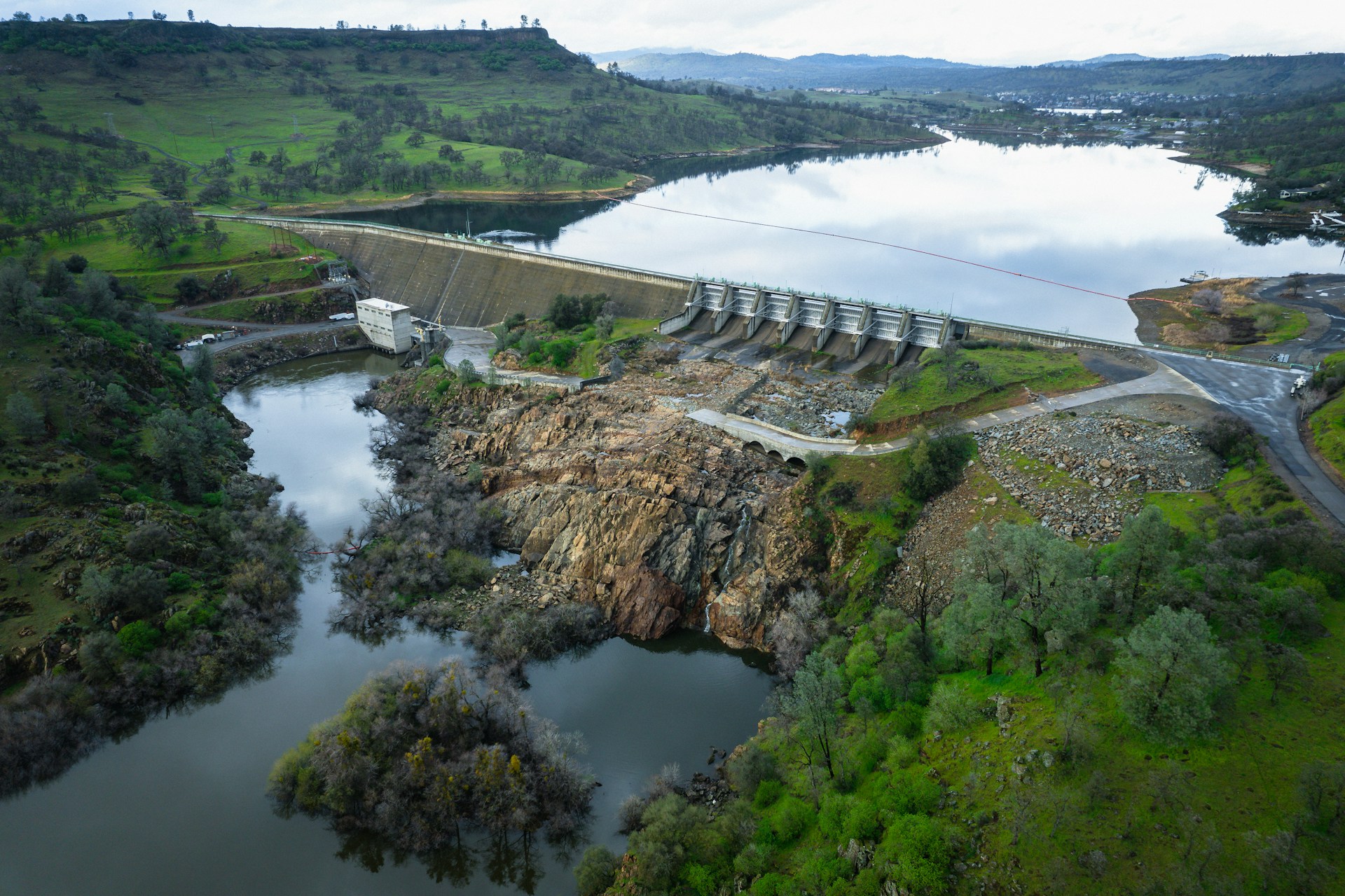
Water is one of the most essential resources for life on Earth. It sustains human populations, supports agricultural production, and drives industries. However, the impact of climate change on water resources is becoming increasingly evident. As global temperatures rise and weather patterns shift, water availability is becoming more unpredictable. This shift is particularly concerning as many regions depend on steady, reliable sources of water for drinking, farming, and energy production.
In this article, we will explore how climate change is impacting water resources, focusing on the changes in precipitation patterns, the increase in extreme weather events, and the challenges posed by rising evaporation rates. Additionally, we will discuss the solutions that can help safeguard this vital resource in the face of an unpredictable future.
How Climate Change Affects Water Availability
Water availability refers to the amount of accessible water that can be used for human and ecological needs. Climate change is significantly altering the availability of water across the world. Regions that have traditionally relied on steady rainfall patterns are beginning to experience more erratic weather, with prolonged dry spells and heavy rains becoming more frequent. These shifts have major consequences for the amount of water available for use.
One of the most direct effects of climate change is the increase in droughts. Rising global temperatures are leading to higher evaporation rates, which can cause surface water—like rivers, lakes, and reservoirs—to dry up faster than before. In addition to drying up surface water, droughts also impact groundwater resources. Aquifers, which serve as an underground source of fresh water, take much longer to replenish, and prolonged droughts can lead to their depletion.
This pattern of drought is particularly problematic in already dry regions, such as parts of the Middle East, Africa, and Southern Europe. These areas depend heavily on limited freshwater supplies, and prolonged droughts can have devastating impacts on both drinking water availability and agricultural productivity. Without sufficient rainfall, crops fail, and people are left with few options to secure water for basic needs.
The Role of Changing Weather Patterns in Water Distribution
In addition to the increasing occurrence of droughts, climate change is also altering precipitation patterns. This leads to more unpredictable weather, affecting water distribution and availability in regions worldwide. In some areas, climate change is causing an increase in rainfall, while others are experiencing reductions in precipitation. Both scenarios have significant implications for water resources.
In regions where rainfall is increasing, the intensity of storms is also rising. While this might seem beneficial for replenishing water sources, the reality is that heavy rainfall can often overwhelm water infrastructure, such as reservoirs, dams, and water treatment plants. When there is too much water too quickly, the result is often flooding. Flooding can contaminate freshwater sources, disrupt local water supplies, and lead to the loss of infrastructure, making it difficult to manage water effectively.
Conversely, in regions where precipitation is decreasing, water scarcity becomes a major concern. Areas that rely on seasonal rainfall to refill rivers and lakes are finding their water resources severely depleted. Without the natural replenishment of these water systems, it becomes increasingly difficult to sustain populations, agriculture, and industries that depend on a consistent water supply.
Evaporation Rates and Water Quality: An Increasing Concern
As temperatures rise globally, the rate of evaporation from bodies of water, such as lakes, rivers, and reservoirs, increases as well. This means that water evaporates more quickly than it can be replenished through rainfall or snowmelt. Higher evaporation rates leave water bodies with less available water, which exacerbates the challenges of water scarcity.
In addition to the loss of water volume, the remaining water in lakes and rivers becomes more concentrated, which can reduce its quality. As evaporation reduces the amount of fresh water available, the remaining water often contains higher concentrations of salts, minerals, and pollutants. This makes the water less suitable for drinking and irrigation, and can even affect the health of aquatic ecosystems. In regions where access to clean water is already limited, this concentration of pollutants can lead to serious health risks for both humans and wildlife.
Solutions for Managing Water Resources in a Changing Climate
Given the significant threats that climate change poses to water resources, it is crucial to implement solutions that can help mitigate these impacts and ensure sustainable water availability. These solutions focus on improving water management practices, conserving water, and developing alternative water sources.
First, improving water management practices is key to addressing the challenges of climate change. This includes building infrastructure that can store water during wet periods and release it during dry spells. Reservoirs, dams, and water diversion systems are essential for managing water in regions where rainfall is variable. Additionally, upgrading water distribution systems to reduce waste through leaks and improving efficiency is an important step in ensuring that every drop of water counts.
Water conservation efforts are equally important. Encouraging the responsible use of water at all levels—from individuals to industries—can help reduce overall demand. Simple actions like using water-efficient appliances, reducing water waste in agriculture, and practicing responsible irrigation techniques can go a long way in conserving this finite resource. By using water more efficiently, communities can better cope with the unpredictable changes in water availability caused by climate change.
Another solution gaining traction is the development of alternative water sources. Desalination, which involves converting seawater into freshwater, is an increasingly viable option for areas near coastlines facing water scarcity. While desalination is energy-intensive, advances in renewable energy, such as solar and wind power, can make this process more sustainable and reduce its environmental footprint.
Recycling and reusing water is another method that can help alleviate pressure on freshwater supplies. In some areas, wastewater is treated and repurposed for non-potable uses such as irrigation, industrial processes, and landscape watering. This helps ensure that available freshwater resources are reserved for essential uses, while alternative water sources are utilized more efficiently.
Lastly, protecting and restoring natural ecosystems plays a vital role in safeguarding water resources. Wetlands, forests, and watersheds help regulate the flow and quality of water by acting as natural filters. For example, wetlands can absorb excess water during floods and slowly release it during dry periods, helping to mitigate the effects of extreme weather. Protecting these ecosystems is crucial to maintaining the natural hydrological cycles that provide clean and accessible water.
Protecting Water Resources for Future Generations
Climate change is undeniably altering the availability, quality, and distribution of water resources around the world. While the challenges are significant, there are many solutions that can help mitigate the effects and ensure a sustainable water supply for future generations. Through better water management, efficient conservation practices, and the development of alternative water sources, it is possible to adapt to the changing climate and protect this vital resource.
As climate change continues to impact water resources, it is important for governments, industries, and individuals to work together to find and implement solutions. By taking proactive steps now, we can help safeguard water resources for the future, ensuring that clean, accessible water remains available for everyone, everywhere.
Additional Information
- Blog
- Steve Weymer