How Smart Irrigation Systems Are Changing the Way We Water Landscapes
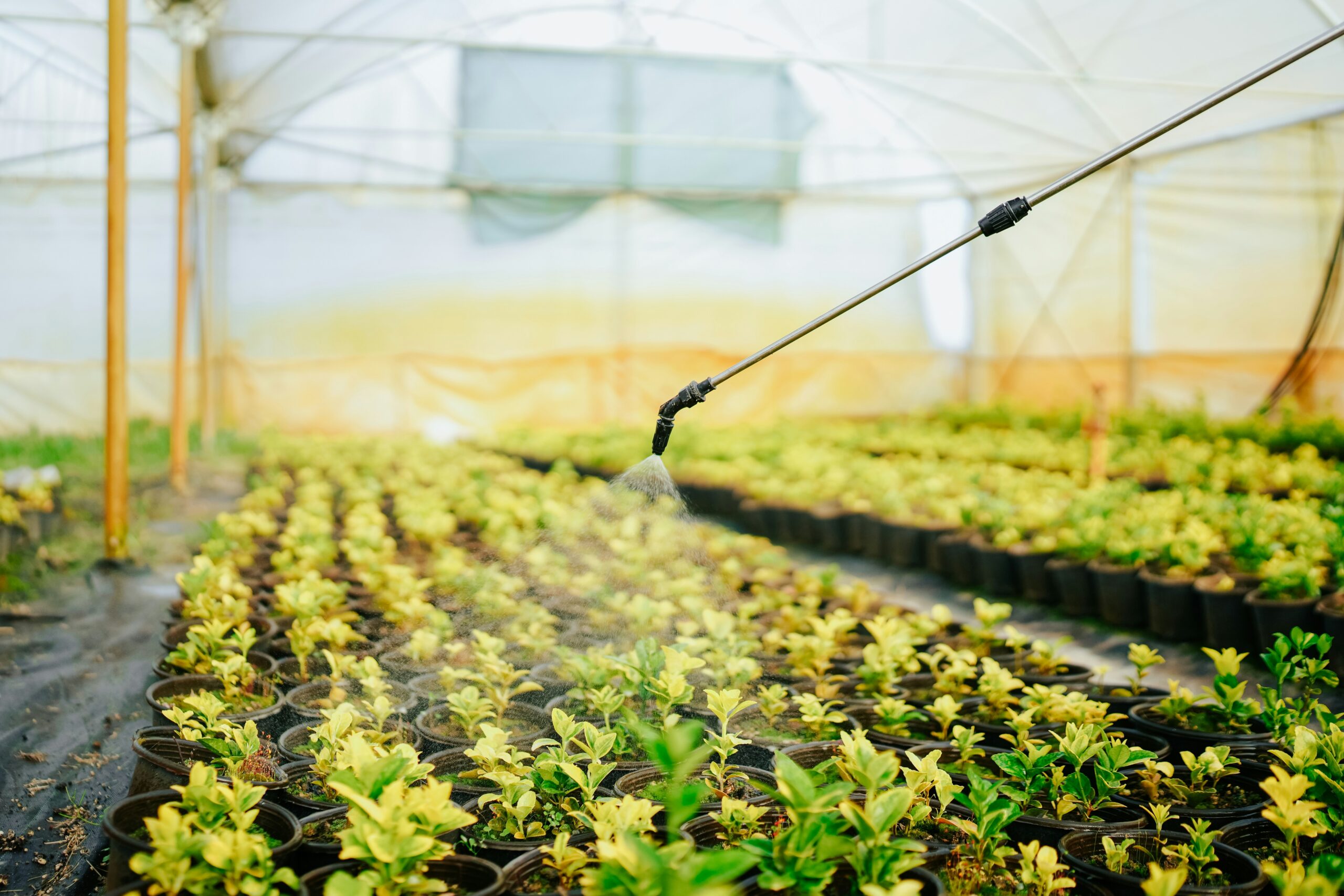
Intelligent irrigation systems have transformed traditional watering practices into data-driven, efficient processes. Instead of relying on fixed schedules, these systems use technology to deliver water precisely when and where plants need it. As a result, homeowners, farmers, and property managers can maintain healthy landscapes while reducing waste and costs. Moreover, as water scarcity becomes a growing concern, smart irrigation offers a practical and responsible solution.
At the same time, the increasing adoption of smart devices has made irrigation technology more accessible than ever. With smartphone apps, sensors, and automated controls, users can now manage watering remotely and intelligently. Therefore, understanding how innovative irrigation systems work and why they matter can help you make better decisions for both your landscape and the environment.
What Smart Irrigation Systems Are
Intelligent irrigation systems use advanced technology to control water delivery based on real-time conditions. Unlike traditional timers, these systems rely on weather data, soil moisture levels, and plant requirements to automatically adjust watering schedules. As a result, they prevent overwatering and underwatering, which are common problems with manual systems. Additionally, this adaptive approach ensures that landscapes stay healthy throughout changing seasons.
Furthermore, intelligent irrigation systems typically include controllers, sensors, and connectivity features. Weather-based controllers adjust watering based on forecasts, while soil moisture sensors measure how much water the soil actually needs. Consequently, these components work together to create a responsive system that aligns watering practices with natural conditions.
Key Components and How They Work
Intelligent irrigation systems rely on several essential components that communicate with one another. First, controllers act as the system’s brain, processing data and executing watering decisions. These controllers often connect to Wi-Fi, allowing users to monitor and adjust settings through mobile apps. As a result, managing irrigation becomes more convenient and precise.
In addition, sensors play a critical role in gathering accurate environmental data. Soil moisture sensors measure underground water levels, while weather sensors or online weather services provide rainfall, temperature, and humidity data. Therefore, by combining these data points, the system can decide when to water and when to pause, ensuring efficient water use at all times.
Benefits of Smart Irrigation Systems
Intelligent irrigation systems offer significant water-saving benefits, which makes them especially valuable in areas facing drought or water restrictions. By delivering only the necessary amount of water, these systems can reduce water use by up to 30 percent. As a result, users not only conserve a vital resource but also lower their monthly utility bills. Moreover, efficient watering helps prevent runoff and soil erosion.
Beyond water savings, intelligent irrigation systems also improve plant health and landscape appearance. Because plants receive water based on their actual needs, they develop stronger root systems and experience less stress. Consequently, lawns stay greener, gardens flourish, and crops yield better results. In the long run, this improved efficiency reduces maintenance costs and supports healthier ecosystems.
Environmental and Economic Impact
Intelligent irrigation systems positively impact the environment by promoting responsible water management. Since these systems reduce unnecessary watering, they help preserve groundwater supplies and decrease the energy required to pump and treat water. Therefore, communities that adopt smart irrigation can move toward more sustainable water practices. Additionally, reduced runoff means fewer fertilizers and pollutants enter nearby waterways.
From an economic perspective, smart irrigation represents a wise investment despite the initial setup cost. Although installation may require an upfront cost, the long-term savings quickly offset it. As water bills decrease and maintenance needs decline, users often see a return on investment within a few years. Consequently, intelligent irrigation systems benefit both individual budgets and larger municipal water systems.
Installation and Ease of Use
Installing an intelligent irrigation system has become simpler thanks to user-friendly designs and professional support options. Many systems integrate easily with existing sprinkler systems, reducing installation time and complexity. As a result, homeowners can upgrade without completely replacing their current infrastructure. Additionally, professional installers can ensure proper sensor placement and calibration of the system.
Once installed, intelligent irrigation systems are easy to use and manage. Mobile apps provide clear dashboards that display water usage, system status, and recommendations. Therefore, users can make adjustments quickly, even while away from home. This convenience encourages consistent monitoring and better watering habits over time.
Future Trends in Smart Irrigation
The future of intelligent irrigation systems looks promising as technology continues to advance. Artificial intelligence and machine learning are beginning to enhance system accuracy by predicting plant needs more precisely. As a result, future systems will become even more efficient and responsive to environmental changes. Additionally, integration with smart home platforms will further simplify control and automation.
At the same time, growing awareness of climate change and water scarcity will likely drive broader adoption. Governments and utility companies already offer rebates and incentives for installing water-efficient systems. Therefore, as policies and technology align, smart irrigation will play a crucial role in sustainable landscape management for years to come.
Intelligent irrigation systems represent a decisive shift from traditional watering methods to intelligent, data-driven solutions. By saving water, improving plant health, and reducing costs, these systems deliver both environmental and economic benefits. Ultimately, adopting smart irrigation is not just a technological upgrade but a meaningful step toward responsible water use and a more sustainable future.
Additional Information
- Blog
- plant health, traditional watering
- Steve Weymer