Innovative Rainwater Harvesting System for Residential Use: A Simple Guide for Homeowners
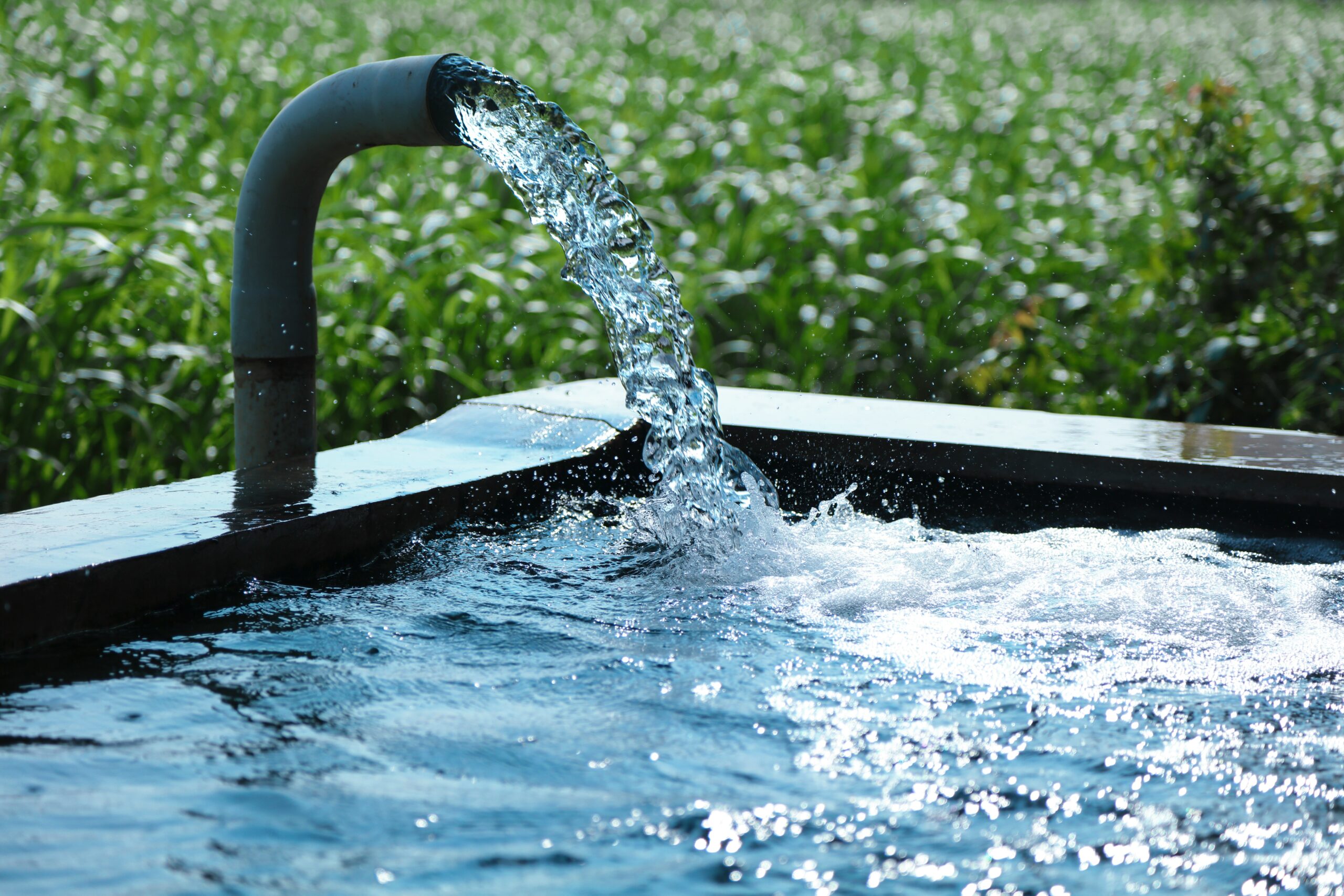
Many households look for ways to save money and protect natural resources. A simple way to do both is by using a home rainwater harvesting system. This type of system collects rain and stores it for later use. It provides families with an additional water source without increasing monthly bills. More homeowners now see rainwater as a helpful tool, not just something that flows off the roof and into the street. With the right system, rain becomes a practical supply that supports gardening, cleaning, and other everyday tasks.
What Rainwater Harvesting Means for the Average Home
Rainwater harvesting is the process of collecting rain, moving it through a simple path, and storing it safely. In a basic setup, rain lands on the roof and travels through gutters. It then flows down a pipe and into a tank or barrel. From there, the water can be used whenever the homeowner needs it.
This process is easy for most houses because it does not require special plumbing skills. Even a small roof can provide a surprising amount of water during the rainy season. A single storm can fill a large barrel, giving homeowners enough water for many outdoor chores.
Homeowners use this type of system because it makes their homes more independent. Instead of relying solely on city water, they can also depend on nature. When rain is stored rather than wasted, it becomes a steady backup supply during periods of high use or dry weather.
Why Rainwater Harvesting Helps Reduce Water Waste
A significant benefit of these systems is waste reduction. Many homes use treated drinking water for activities that do not require clean tap water. Tasks like watering plants, washing cars, or rinsing porches do not need purified water. Rainwater works just as well for these chores.
Using stored rain keeps more treated water available for essential uses like drinking and cooking. This helps local water systems by lowering demand. It also reduces the energy needed to clean and move water to homes.
Rainwater harvesting can also prevent flooding in yards and neighborhoods. When rain falls, large amounts can rush off roofs and overwhelm storm drains. By storing some of that rain on-site, homeowners reduce pressure on drainage systems.
Another advantage is that stored rain is gentle on plants. Many plants grow better when watered with rainwater rather than tap water. Tap water sometimes contains chemicals used for cleaning and treatment. Rainwater avoids those chemicals, creating a healthier environment for gardens.
The Main Parts of a Residential Rainwater Harvesting System
A rainwater harvesting system uses several basic parts that work together. Each part has a simple purpose, and most are easy to maintain. The roof acts as the main catchment area. Clean, smooth roof surfaces let water flow quickly into gutters. These gutters help direct the rain into downspouts. Downspouts then guide water into the storage system.
Before the water reaches the tank, it usually passes through a small filter. This filter catches leaves, insects, and dirt. Some homeowners add a first-flush device. This tool sends the first few gallons of roof water away from the tank because that water may contain dust and debris.
The storage tank holds the rain until the homeowner needs it. Tanks come in many shapes and sizes. They can stand beside the house or rest underground. For small homes, even a simple barrel works well. Many homeowners add a pump to move the water to hoses or indoor fixtures. Some systems rely on gravity when the tank is placed higher than the area needing water. Gravity-based systems use no electricity and are very reliable.
Residential water conservation helps families save water every day. By using stored rainwater for basic tasks, homeowners can significantly reduce their use of city water. This makes the system an essential part of modern home conservation efforts.
How Homeowners Commonly Use Stored Rainwater
Stored rainwater is helpful for many simple household tasks. One of the most common uses is gardening. Plants respond well to rainwater because it is natural and soft. Gardeners often see better growth in both flowers and vegetables when they rely on stored rain.
Rainwater also works well for cleaning tasks. Instead of using tap water for washing cars, cleaning windows, or rinsing sidewalks, homeowners can use stored rain. This saves money and reduces overall water waste.
Some systems send rainwater to toilet tanks. Toilets use a large amount of water, so switching to rainwater helps cut bills quickly. This is especially helpful in homes with many family members. Rainwater also works for laundry in many cases. With proper filtration, stored rainwater can clean clothes well. It can also keep fabrics soft because rainwater lacks the minerals found in tap water.
Homeowners in dry areas find these systems very helpful. During droughts or water restrictions, stored rainwater helps them keep plants alive and continue basic chores. This reduces stress and keeps the home running smoothly.
Simple Tips for Keeping a Rainwater System in Good Shape
Maintenance is a key part of owning a rainwater harvesting system. Thankfully, most of the care is simple and does not take much time.Gutters should be checked often. When leaves or dirt build up, water cannot flow into the tank. Cleaning gutters once a month helps prevent clogs. After intense storms, it is helpful to recheck them.
Tanks should stay covered at all times. A tight lid keeps insects and dust out. Many tanks have small screens that need cleaning during the year. These screens stop large debris from entering the system.
Filters need to be rinsed so they stay clear. A clogged filter slows water flow. First-flush devices should also be checked to ensure they empty properly after each rain. Pumps need simple yearly checks. They last longer when kept clean and dry. Gravity-based systems need even less care since they have fewer parts.
Homes with larger systems sometimes add extra features, such as UV lights or carbon filters. These help clean the water when it is used for toilets or laundry. These parts also need seasonal checks to stay effective.
A well-maintained harvesting system provides clean water and works for many years. Homeowners enjoy steady savings, better plant growth, and a strong backup supply during dry seasons.
Rainwater harvesting fits perfectly into this idea. It is a simple upgrade that makes the home more efficient. It cuts waste, supports plant health, and reduces pressure on local water systems. With growing interest in green living, more homeowners are seeing rainwater harvesting as a valuable, forward-thinking choice. Families who install these systems take a clear step toward a more sustainable home and a more responsible lifestyle.