The Role of Water Management in a Company’s Sustainability Initiatives
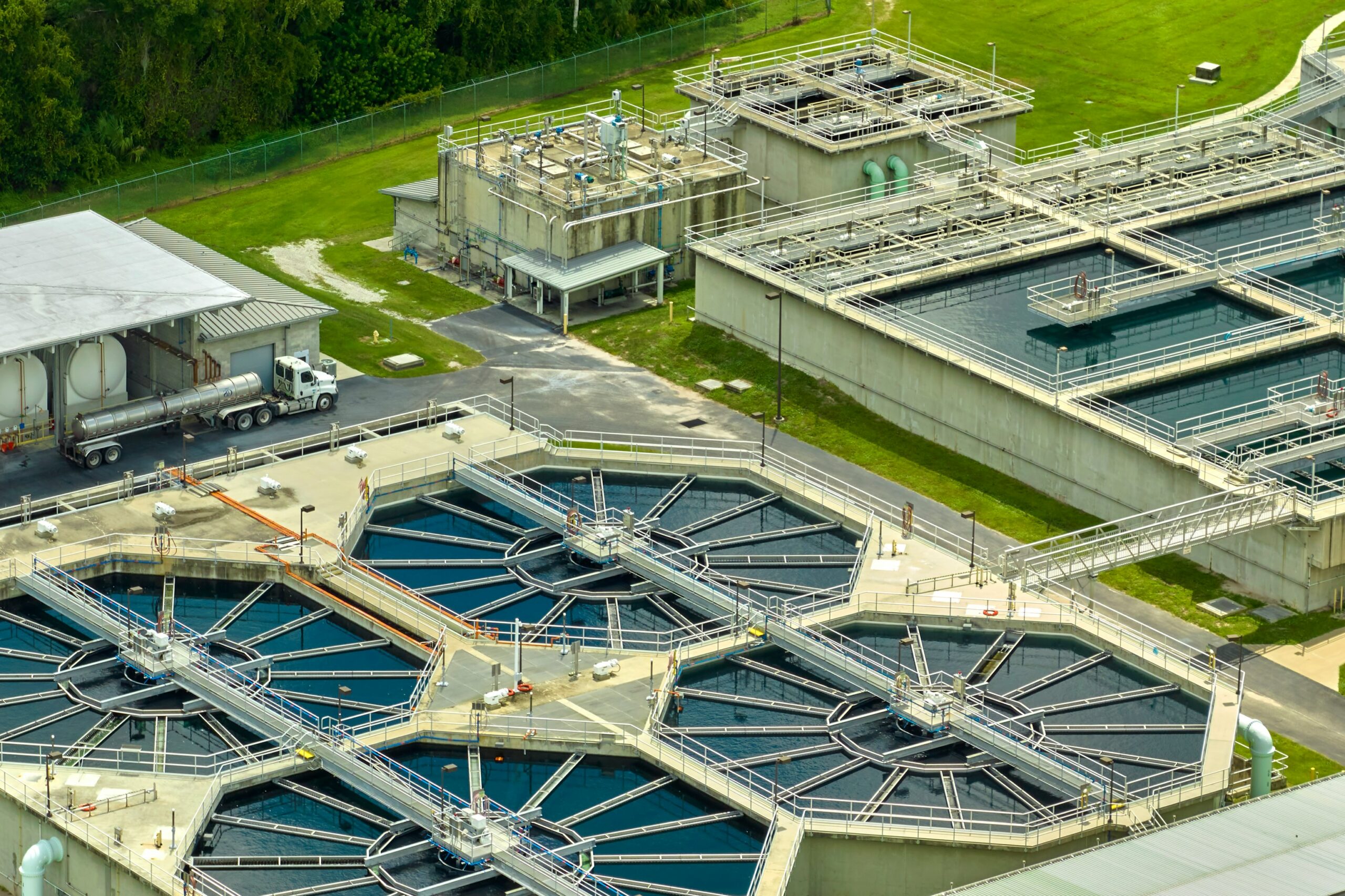
In today’s world, sustainability is no longer an optional goal—it’s a business imperative. As global awareness of environmental issues grows, companies across all sectors are rethinking how they use natural resources. Among these resources, water stands out as one of the most critical yet often undervalued. Every organization, from manufacturing plants to tech firms, depends on water in some form. Therefore, water management has become a cornerstone of modern corporate sustainability initiatives. By effectively implementing water management, businesses can protect the environment, reduce costs, and strengthen their reputation as responsible global citizens.
Understanding Water Management in the Business Context
Water management within a company refers to the strategic planning, monitoring, and control of water use throughout operations. It involves ensuring that water is used efficiently, minimizing waste, and treating wastewater responsibly. This approach goes beyond compliance with regulations; it represents a long-term commitment to conserving resources and minimizing environmental harm.
Moreover, as climate change increases the frequency of droughts and water shortages, the pressure on industries to adopt sustainable water management practices continues to rise. Governments, investors, and consumers are now demanding transparency and responsibility. Companies that fail to act risk reputational damage and financial loss, while those that embrace sustainable water management gain a competitive advantage.
The Connection Between Water Management and Corporate Sustainability
A company’s sustainability strategy aims to balance economic growth with environmental protection and social responsibility. Water management fits naturally into this framework because water affects all three areas. Environmentally, it ensures that ecosystems remain healthy and that pollution from industrial processes is minimized. Economically, it reduces waste and operational costs by improving efficiency. Socially, it ensures that communities have access to clean and sufficient water resources.
Sustainability reporting has also brought water management into sharper focus. Many global frameworks, such as the Global Reporting Initiative (GRI) and the Carbon Disclosure Project (CDP), require companies to disclose their water usage and conservation efforts. This transparency allows stakeholders to assess whether businesses are genuinely committed to sustainability or merely paying lip service.
In addition, effective water management supports long-term resilience. For instance, companies that invest in water recycling systems or alternative water sources are less vulnerable to shortages. These proactive steps not only reduce environmental impact but also help maintain steady production even during times of scarcity. By linking water management directly to their sustainability initiatives, companies build stronger, more adaptable operations.
Innovative Practices Driving Sustainable Water Use
Modern technology and innovative strategies have revolutionized how companies manage water. Many leading organizations are adopting water-efficient systems, recycling wastewater, and harnessing rainwater to reduce their dependence on freshwater sources. These innovations not only cut costs but also demonstrate leadership in environmental responsibility.
For example, in the manufacturing sector, closed-loop systems are now standard. These systems treat and reuse water multiple times within production cycles, dramatically reducing overall consumption. Food and beverage companies are investing in water management programs that assess the impact of their operations on local watersheds. By collaborating with communities and governments, they ensure that water extraction and discharge are balanced and sustainable.
Even in corporate office environments, water management plays an important role. Simple measures such as installing low-flow faucets, using drought-tolerant landscaping, and optimizing cooling systems contribute to significant savings. Moreover, digital monitoring systems now allow businesses to track water usage in real time. By identifying leaks or inefficiencies quickly, they can take corrective action before waste escalates.
The Economic and Social Benefits of Water Management
While sustainability is often associated with environmental goals, it also brings significant economic and social benefits. Effective water management reduces operational costs by lowering water bills, energy consumption, and wastewater treatment expenses. It also minimizes the risk of production downtime due to water shortages or regulatory restrictions. Over time, these savings contribute to improved profitability and resilience.
From a social perspective, responsible water management fosters positive relationships with local communities. Companies that extract water from shared sources must ensure that their activities do not harm surrounding populations. By engaging in transparent dialogue and supporting local water projects, businesses can build trust and strengthen their social license to operate.
Moreover, companies that lead in sustainable practices often influence others across their industries. When one organization successfully reduces water consumption and maintains profitability, it sets an example for others to follow. Over time, this ripple effect promotes wider adoption of sustainability standards and drives positive global change.
Building a Sustainable Future Through Responsible Leadership
The future of corporate sustainability depends on how well companies manage essential resources, such as water. As industries grow and global water demand rises, the pressure to implement efficient, equitable, and innovative solutions will only increase. Business leaders must view water not as an unlimited commodity but as a shared resource that requires responsible water management.
Integrating water management into company culture is key to long-term success. Employees at all levels should understand the importance of conservation and be encouraged to contribute to efficiency efforts. Training programs, internal campaigns, and reward systems can motivate staff to take ownership of sustainability goals. Additionally, partnerships with environmental organizations, research institutions, and local governments can enhance a company’s capacity for responsible water management.
By combining innovation, collaboration, and responsibility, companies can turn water management into a powerful driver of sustainable growth. It is not merely a technical process but a reflection of corporate values and vision when businesses recognize that every drop counts, they move closer to achieving true sustainability—one that benefits both their bottom line and the planet we all share.
Additional Information
- Blog
- natural resources, sustainable growth, water management
- Steve Weymer